Since the beginning of russia’s large-scale armed aggression against Ukraine, thousands of Ukrainians have suffered injuries from missile and artillery attacks. These are often complex cases requiring effective treatment, extended rehabilitation, and subsequent resocialization. The role these individuals will play in wartime and postwar society depends significantly on the quality and comfort of their recovery.
Since the start of the full-scale war, the “Social Projects Center of Future” Charitable Foundation has been supporting medical institutions focused on the treatment and rehabilitation of those affected, striving to ensure as many people as possible receive timely and professional medical assistance. Starting in 2024, the foundation launched a dedicated project called “Resilience: Regained Strength”, aimed at recovering patients injured due to the war.
Currently, assistance totaling approximately 30 million UAH has been provided to 31 hospitals. These funds have been used to purchase modern medical equipment and to train doctors and multidisciplinary teams.
Here are insights from foundation representatives and the director of one of the supported medical facilities about the project’s achievements and future prospects.
Rehabilitation of Injured Individuals-A Key Project of the Future
Ievgen Gluzov, Charity leader of the “Social Projects Center of Future” Charitable Foundation, shared insights into the strategy, achievements, and future plans.
“In 2022, we developed a response strategy to russia’s full-scale war against Ukraine, and the rehabilitation sector emerged as one that would have a long-term systemic impact. Our goal is not only to improve the condition of those we support but also to influence their role in both wartime and postwar society. Every project we undertake, regardless of its focus, is aimed at supporting socialization or resocialization, and physical rehabilitation is central to this process. The restoration of lost skills directly affects how individuals perceive their place in society: whether they can return to work or will always require support,” explained Ievgen Gluzov.
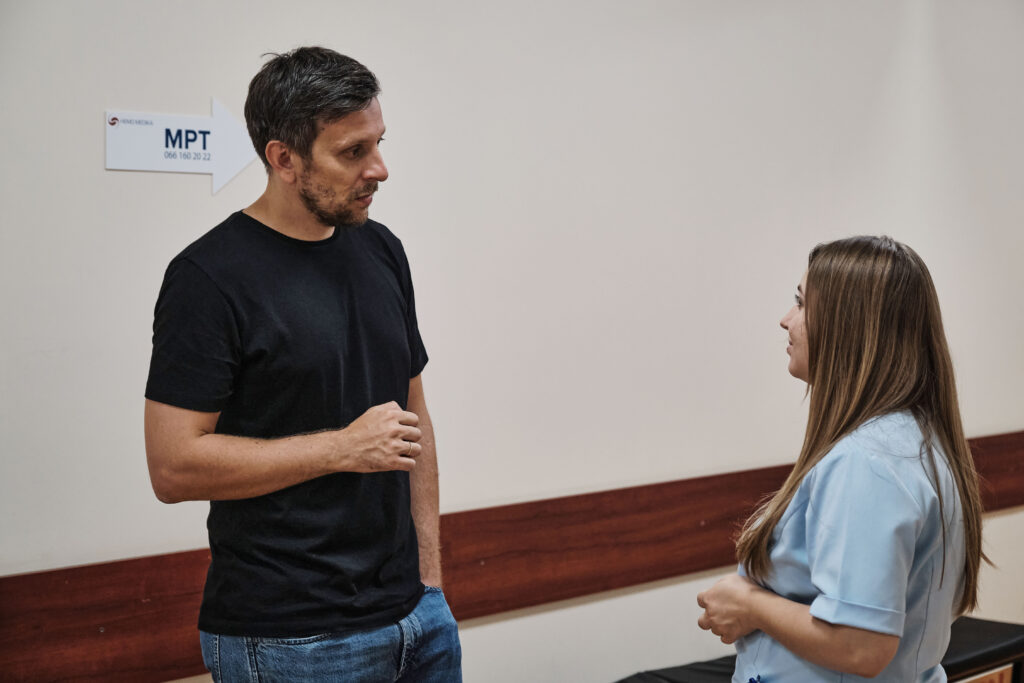
According to the Charity leader, the strategic mission of the “Social Projects Center of Future” is to “resocialize as many Ukrainians as possible.” The foundation is committed to helping individuals regain essential skills lost due to injuries and assisting their reintegration into society, which includes both physical capability to work and motivation to succeed.

At this challenging time, when our country faces mass migration, declining birth rates, and rising mortality, people are the most valuable resource. We are fighting for every life, striving for as many people as possible to recover their physical and social skills, reunite with their families, pursue their dreams, and rebuild their lives in Ukraine.
To achieve these goals and deliver targeted assistance in areas essential for the recovery of the wounded, the foundation collaborates with Ukrainian and international partners. One of the main donors for the 2024 “Resilience: Regained Strength” project is the American foundation GlobalGiving. Recent collaborative projects have also included partners like Vodafone Ukraine, dobro.ua, Fishka, and others.
Since 2022, when the “Social Projects Center of Future” clearly defined its focus on rehabilitation and recovery for those affected by the war, a network of hospitals and rehabilitation centers has been established to participate in the project. The foundation continues to provide these institutions with essential medical and rehabilitation equipment and funds for specialized training of medical personnel. Additionally, new facilities are regularly reaching out to the foundation for support.
“Our work starts with a thorough needs assessment: we consult experts to evaluate the appropriateness of assistance, the capabilities of the medical team, and the potential impact on patients, specifically in terms of how their rehabilitation may improve or accelerate. We ensure the medical facility has the capacity to use the equipment to its full potential and conduct training for its staff. We consider factors such as available space, a qualified team, and the overall ability to properly operate the equipment,” Ievgen Gluzov explained.
He added that upon completion of each project, the foundation conducts detailed monitoring, analyzing feedback from doctors and patients alike.
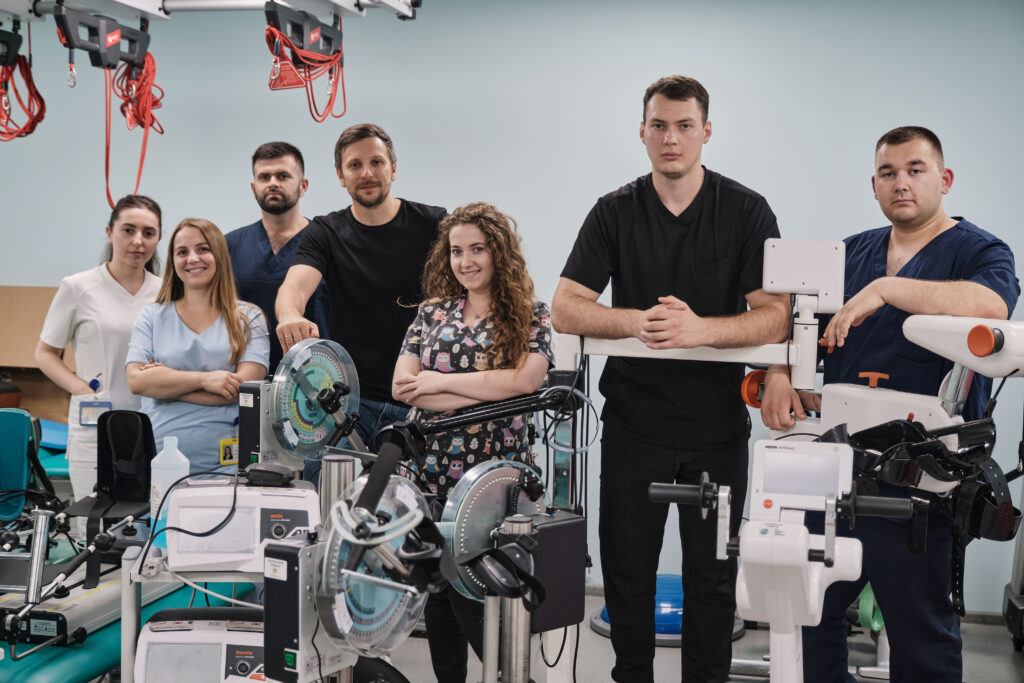
“We also make personal visits to medical facilities to engage not only with medical staff and management but, when possible, with patients as well. Our approach is comprehensive: we don’t just provide equipment; we ensure it’s used effectively,” says Gluzov.
He notes that the program achieved significant results in 2024. Ten hospitals received new medical equipment valued at a total of 15.1 million UAH, and 48 doctors completed specialized training in electromyography, ultrasound, and the diagnosis and treatment of back pain. Overall, the foundation’s projects have reached seven regions of Ukraine: Kyiv, Lviv, Zakarpattia, Ivano-Frankivsk, Zaporizhzhia, Kherson, and Vinnytsia.
“This is the highest result in our history. Nearly the entire year, our team spent on the road, working directly in hospitals and rehabilitation centers to ensure the effectiveness of the implemented projects,” summarizes Ievgen Gluzov.
Thanks to the work of the “Social Projects Center of Future,” around 15,000 patients will go through rehabilitation departments that received support in 2024, with a similar number expected to undergo rehabilitation each year going forward.
Rehabilitation Priority: Reproductive Health of Ukrainian Women
One of the foundation’s key initiatives in 2024 has been supporting the gynecological department at the Lviv Regional Hospital named after Y.Lypa. Vladyslava Andrushchenko, the lead project manager of “Resilience: Regained Strength” project shared insights on this work, which took structured form with the onset of the full-scale war.

Women’s health during wartime has become a vital priority. The horrors of shelling, worries about children, and fears for husbands and families all lead to serious health impacts. We are proud to help in providing treatment and recovery in safe and comfortable settings.
She adds that thanks to this project, it was possible to almost completely equip the laparoscopic department for minimally invasive operations in the hospital, which significantly improved the recovery time of patients and the quality of treatment.
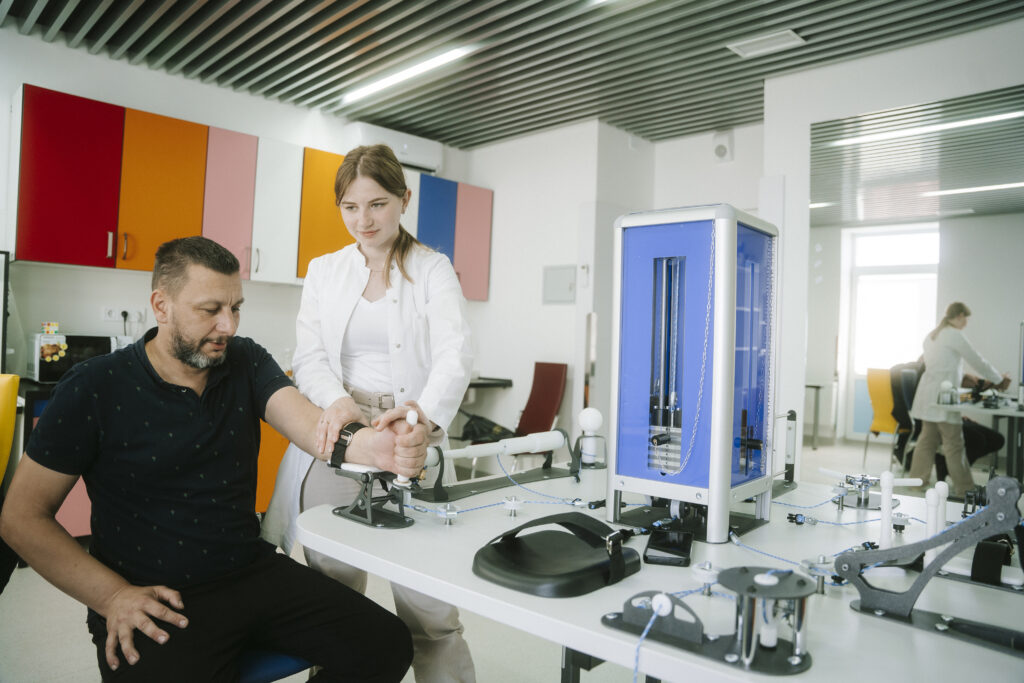
Since 2012, the “Social Projects Center of Future” has been implementing targeted medical programs, establishing direct communication with various healthcare institutions. This collaboration has provided a clear understanding of the types of assistance patients need and how the foundation can best support them.
“Over the years, we’ve built strong connections with hospital directors, chief doctors, and other key specialists. After February 24, 2022, we received numerous requests from hospitals, clinics, and other medical facilities for equipment, medications, and supplies. We aimed to help everyone who reached out. Eventually, we developed a distinct focus on the rehabilitation and health recovery of those affected by the war,” says Andrushchenko.
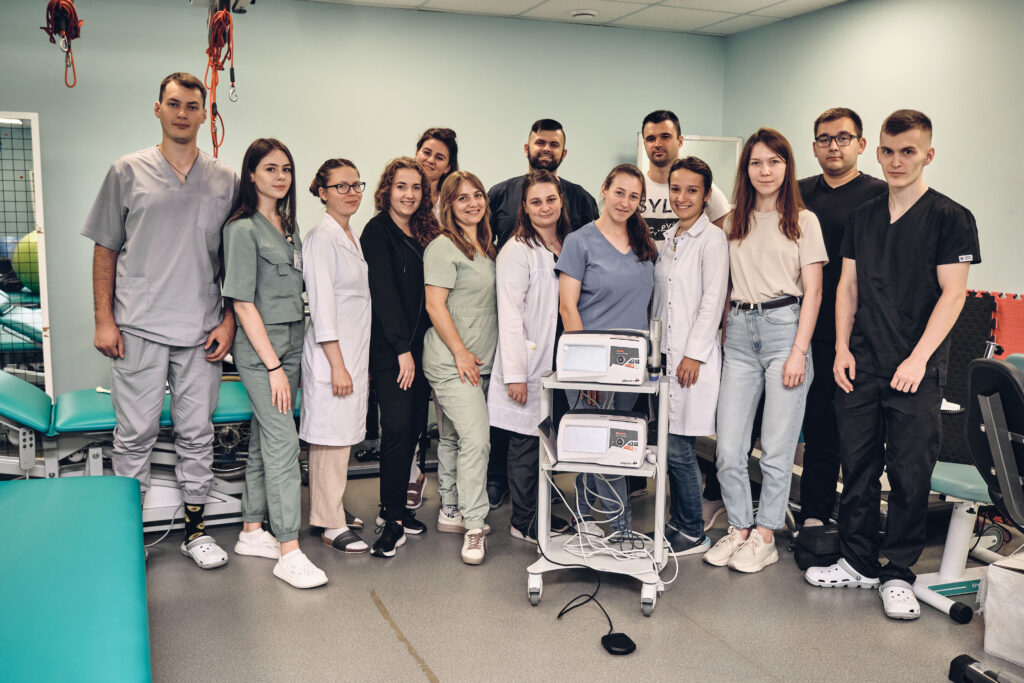
She explains that future plans include expanding medical programs across several key areas: providing rehabilitation equipment to high-demand regions and offering up-to-date training to equip medical staff with essential skills in modern treatment and rehabilitation methods, which can then be shared within new multidisciplinary medical teams.
“We also plan to introduce a new direction—art and sports therapy for patients at medical facilities. This could include music classes, pottery, sports competitions, or even hippotherapy,” she adds.
These initiatives are designed to help patients relax, distract from daily hardships, and recharge with positive emotions, which are essential for resocialization.
“We believe this approach will make the rehabilitation process not only more effective but also more enjoyable, as emotional recovery is a critical part of physical healing,” Andrushchenko says.
To support these new projects and extend assistance to more people affected by the war, the foundation plans to engage international partners.
The Director’s Vision for the Rehabilitation Center: A Spacious Gym and New Technologies to Enhance Patient Recovery
The Halychyna Comprehensive Rehabilitation Center, one of Ukraine’s largest facilities of its kind, has become a key partner for the foundation. The center recently received specialized rehabilitation equipment from the foundation, including the Luna device, designed to assist patients with lower limb amputations in relearning to walk. With its adjustable suspension system, the device eases fatigue and enables quicker adaptation to prosthetic limbs. This milestone was shared by Halychyna’s director, Hryhorii Dunas.
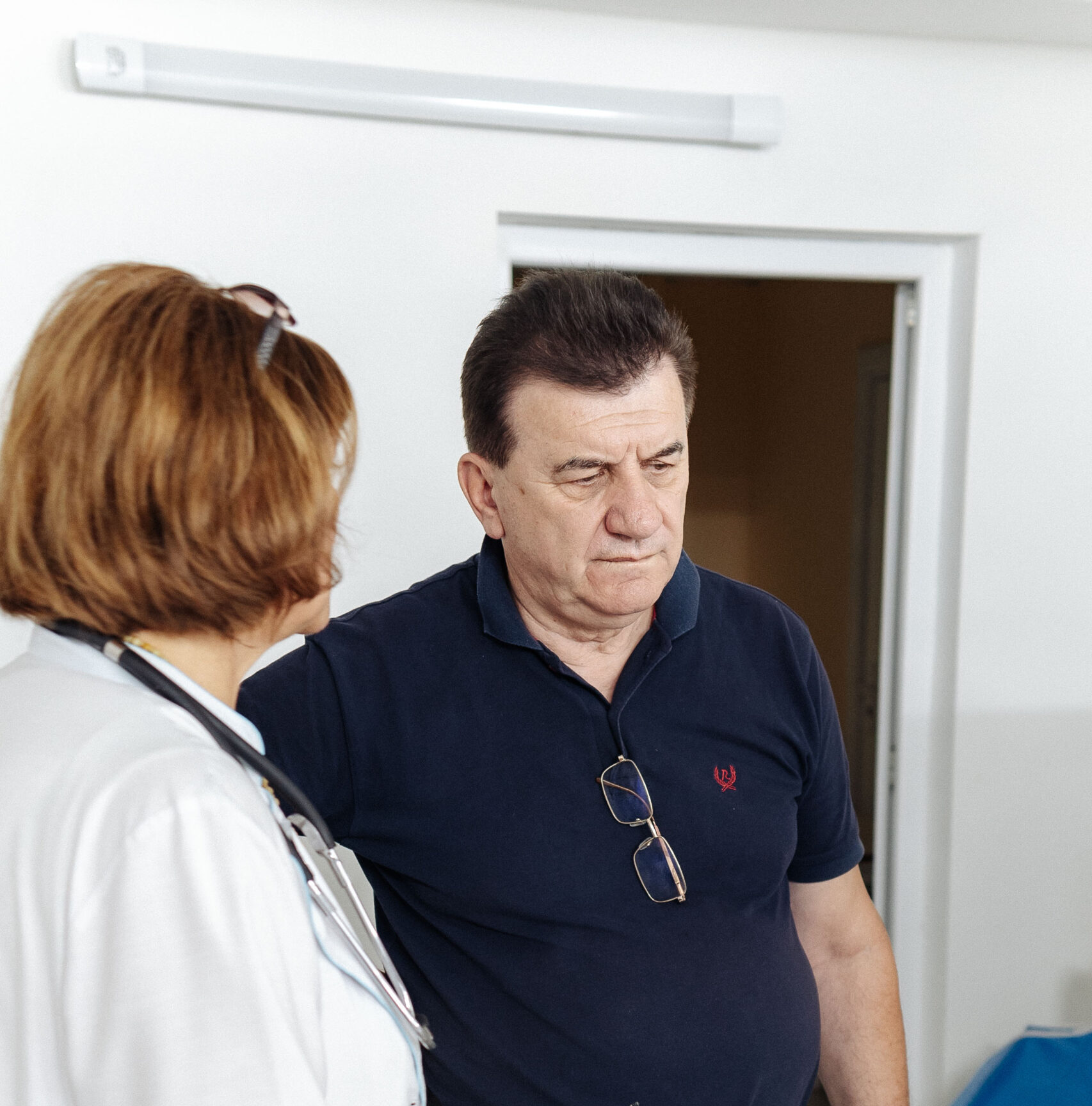
Another crucial device we’ve long awaited is the neuromyograph, which identifies nerve endings in patients with limb injuries, speeding up and enhancing the accuracy of assessments. In September, one of our doctors completed specialized training to operate this equipment, further improving rehabilitation efficiency.
He explains that this equipment is essential for the center, where they work with complex cases like limb amputations, traumatic brain injuries, and post-stroke recovery.
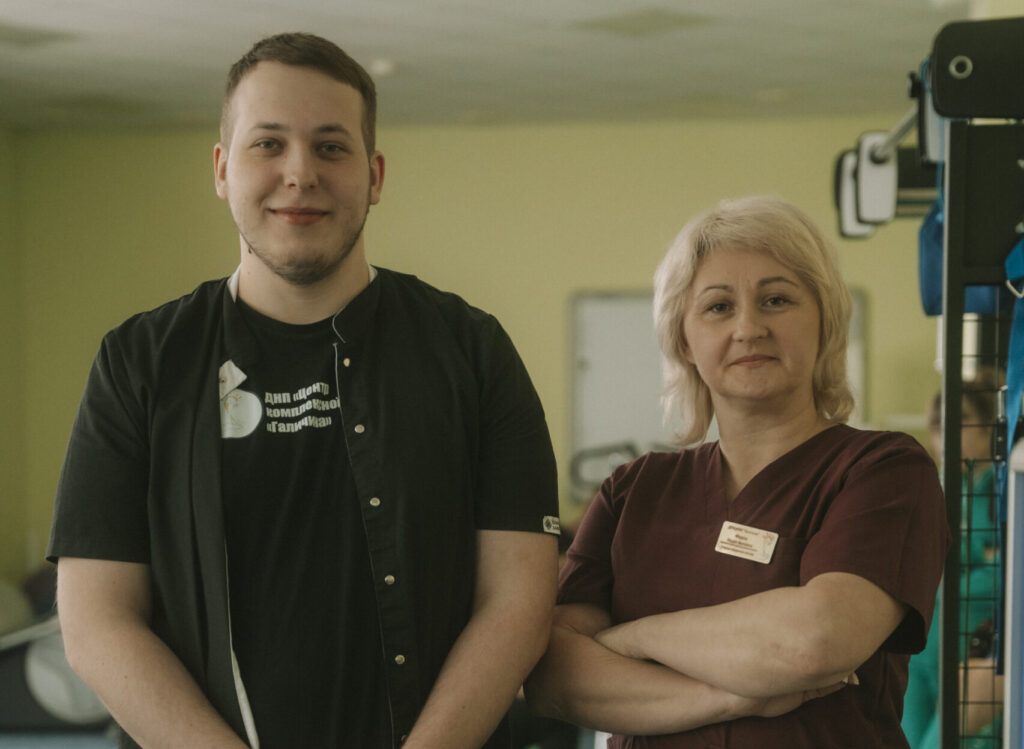
“Most of our patients suffer from mine-blast injuries, amputations, and severe concussions. After such traumatic events, it’s vital not only to recover physically but also to learn to live with new prostheses, which are made on-site in two dedicated laboratories,” says the director.
Halychyna has already rehabilitated over 2,000 people, many of whom return yearly for continued rehabilitation after severe injuries.
“Patients come back to restore their health, repair, and adjust worn prostheses,” explains Dunas.
The center’s partnership with the foundation began when a surge in patient numbers highlighted an acute need for modern equipment. Public outreach helped garner support from the foundation, providing essential equipment at a critical time.
Today, Halychyna’s two locations in Lviv region can serve up to 300 patients. With support from partners, construction is underway for a new facility that will accommodate over 500 individuals simultaneously. In developing this project, Dunas drew on insights from Western experts, gained during a trip to Austria.
The center’s phased rehabilitation program, designed collaboratively with the staff, enables patients to progress gradually. Once they have achieved 60% proficiency in one stage, they move to the next, where they tackle more challenging activities. Over time, their program expands to include pool exercises, kinesiotherapy, and activities on sports-rehabilitation grounds.
“The natural environment here is ideal, rich in mineral springs, sulfuric waters, and healing mud. However, further construction and equipment are needed to complete the facilities,” comments Dunas.
When asked about his dreams for the center, he mentions a spacious gym and balneological treatments that speed tissue regeneration and aid in prosthetic adaptation, minimizing issues like osteophytes and neuromas. With the ongoing support of the community and charitable organizations, he believes that realizing these plans will elevate rehabilitation services to a new level.

The “Social Projects Center of Future” continues its mission to enhance medical rehabilitation in Ukraine. Thanks to support from international partners and the expertise of the foundation’s team, doctors now have access to advanced equipment, and patients are given the chance to rebuild their lives after severe injuries. These initiatives enable people to not only regain their physical health but also to reintegrate as active members of society. Each project marks a real step toward making rehabilitation more accessible and effective for those in need. With the growing demand for medical rehabilitation, especially among the wounded, this support plays a crucial role in helping individuals restore lost skills and navigate the challenging journey of resocialization. Ultimately, these projects allow people to recover their health, return to work, reconnect with their families, and pursue their dreams once again.