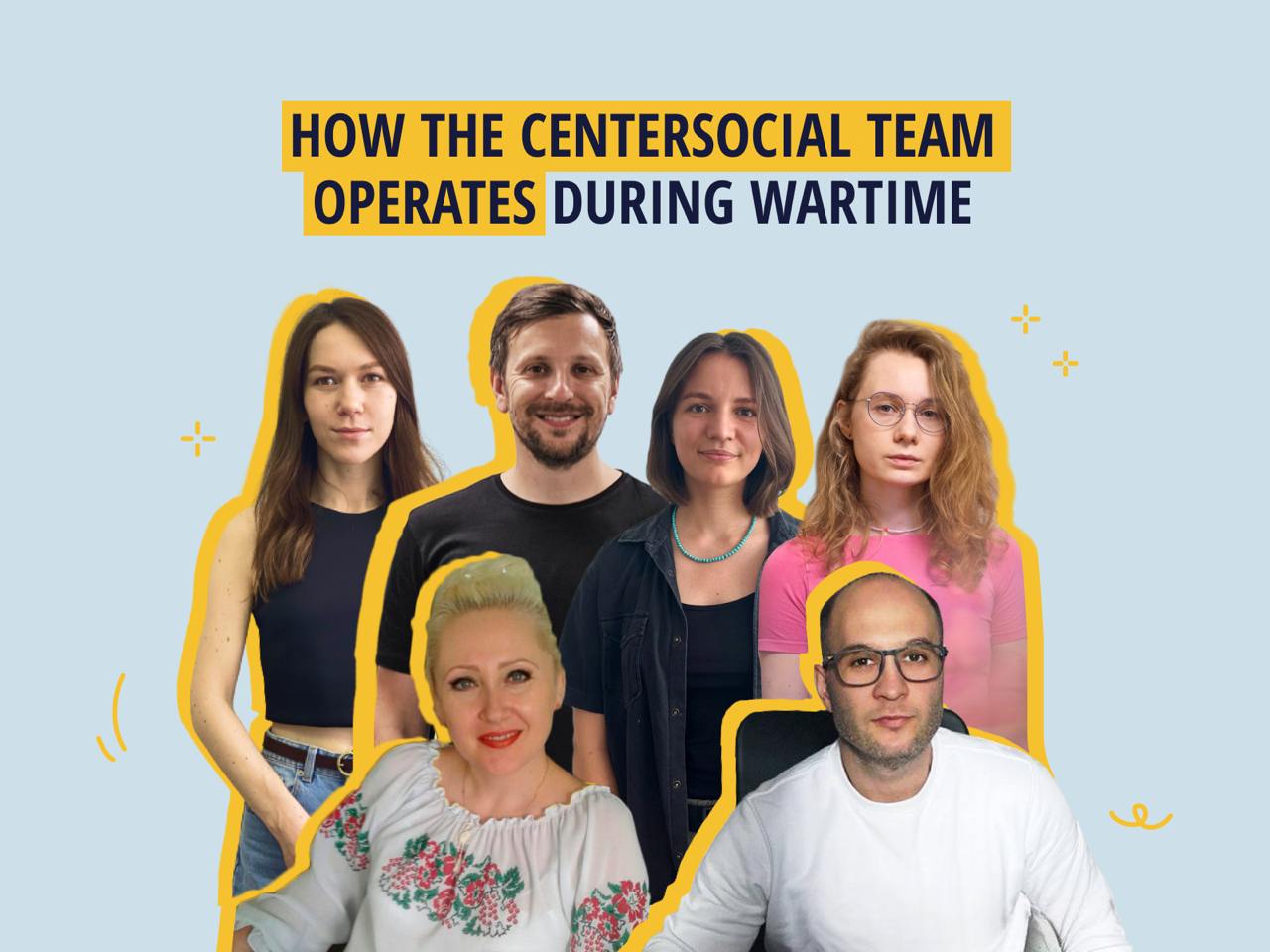
It has been nearly three years since the full-scale invasion began. Our team at “Centersocial” has continued its work—tireless, exhausting, yet profoundly essential. Each of us pours not only effort but a part of ourselves into this mission, overcoming challenges and finding the strength to keep moving forward, no matter the obstacles.
Ievgen, charity leader
With the start of the full-scale invasion, the concept of weekends has almost disappeared…
I combine my work at the Fund with my main activity in e-commerce, so my day starts at dawn and lasts until late at night. However, it’s hard to say what is primary now, as the Fund has completely filled my space and thoughts.
I travel extensively across Ukraine, often visiting the regions where we are actively working. While this demanding schedule is exhausting, the results are incredibly inspiring! It is deeply rewarding to witness the positive changes we achieve together. They give me the inspiration and motivation to keep moving forward. I often feel that both I and our Centersocial team have found ourselves in the right place at the right time, as our skills and abilities are so crucial right now.

I strive to deeply understand everything we do because it’s not just work — it’s a mission that fills each of my days with meaning.
For me, personal communication with recipients and partners is important. In conversations with them, I see the real impact of our work and understand what can be changed or improved.
My secret
Sometimes people ask me what the secret is and where I find the energy to keep moving forward in such difficult times. It wasn’t until recently that I found an honest answer to this question — I simply have no other choice! Neither I nor our team chose to live through a war, but it so happened that these challenges have fallen to us.
At times, it’s difficult to stay focused when the team must stop working several times a day to seek shelter. This happens even at night, too. We’ve gotten used to living in constant fatigue and stress. At times, we feel that everyone’s emotional state is very low. It’s like a phone battery — it needs recharging, so we try to compensate with a positive atmosphere in the office.
It’s an enormous value to have trust within the team. Communication is incredibly important; sometimes, a timely word of support is more powerful than hours of planned discussions.
Today, I arrived in Kyiv from Uzhhorod at 7 a.m., but due to a massive missile attack, I had to immediately go to a bomb shelter from the train. After the alarm ended, I headed to the office.
War is incredibly exhausting, so I prioritize open and honest communication, encouraging colleagues to share their feelings and experiences.
We all try to focus on the changes we can make — on things we can truly influence. Our projects motivate us! We are strengthened by the understanding that even in the most difficult circumstances, our work matters.
Boundaries have long been erased
Our team has long become one family. Trust and respect are the foundation of our work. Together, we endure shellings, read tragic news, and communicate with recipients, erasing all boundaries. This brings us closer and reveals true and devoted people who courageously dedicate themselves to the cause.
Constantly working at the edge of our capabilities is draining. Fear for our loved ones, concern for the future, and the struggle with emotional challenges have long become part of our everyday lives.
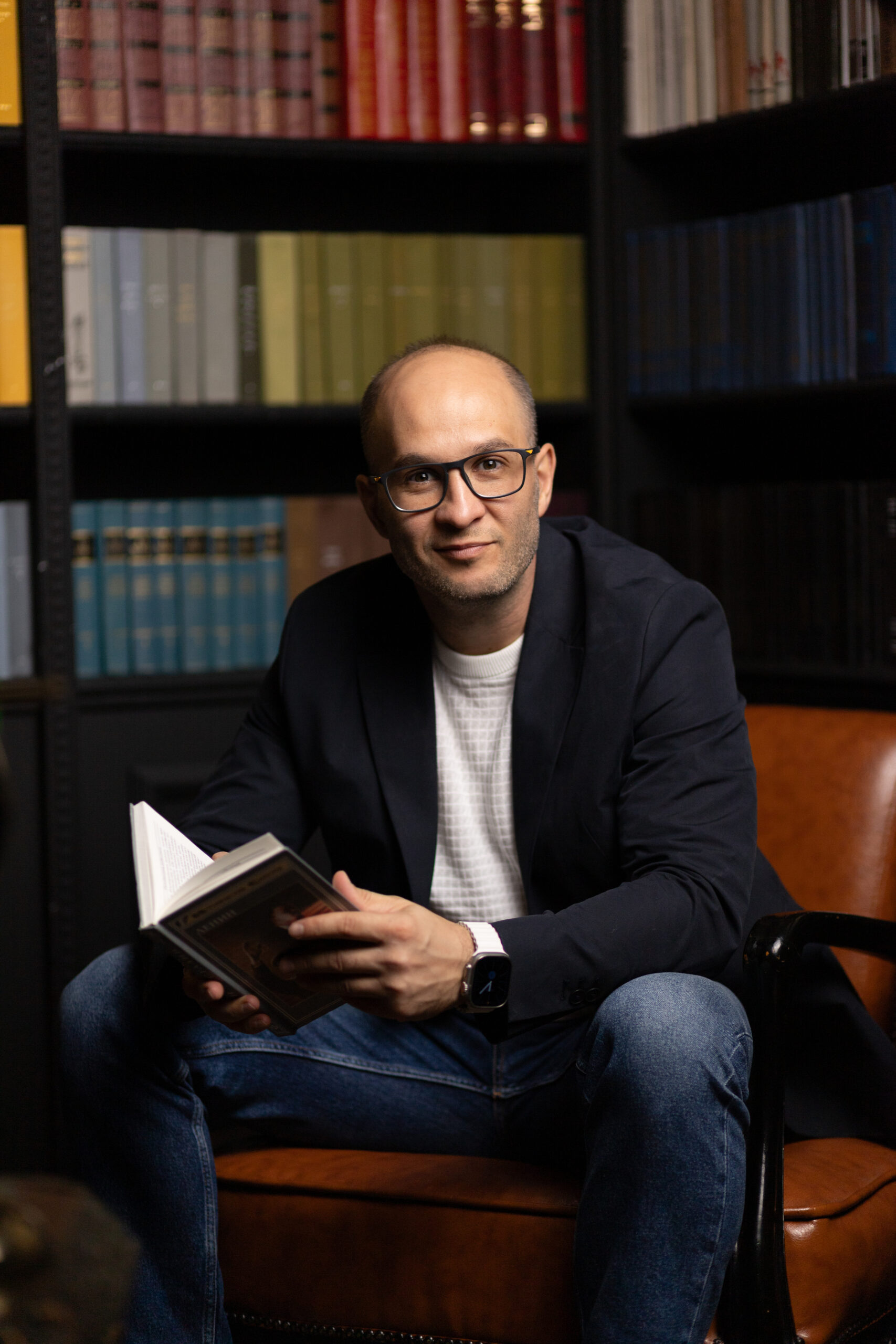
Vadym, head of the office
Over the past three years of full-scale war, I have understood one extremely important thing: a person is capable of doing much more than they imagine. This is not just life wisdom — it is a reality we live every day. Our story as a charitable foundation began back in 2012. The covid pandemic didn’t stop us, and the full-scale invasion became a challenge we accepted.
Inaction is not about us!
Today, work has become an inseparable part of our lives. It doesn’t end at 6 p.m., because our work is a mission. Every day brings its challenges: feelings of anxiety for loved ones, chronic fatigue, the pressure of circumstances. But despite everything, there is a huge desire to be useful to society right now, when it’s most needed. I am happy to realize that my work is helping.
Many things are beyond our control, and that is hard to accept. However, this reality doesn’t stop us; on the contrary, it motivates us. It makes us look for new ways, make quick decisions, and become stronger every day.
My source of energy
My energy comes from my family. My wife is my partner in everything, my best friend. Together, we figure out how to divide family responsibilities so I could work effectively and still find time for the children.
Physical exercises, walks, and our family traditions help me cope with stress and emotional tension. Evenings with cartoons, visiting friends, and meeting relatives inspire me.
In our family, we have a special rule: start and end each day with a smile. This simple but very effective solution helps maintain inner balance, even on the toughest days. First, a smile, and then all the things.
Being a support for others
Being the head of a charity office during the war is a huge responsibility. It is both a challenge and a privilege, as I have the opportunity to be part of the changes that support those who need it the most. It’s important to me to show the team that even in the most difficult conditions, we can preserve humanity and resilience. This is what allows us to move forward, despite the circumstances. Every day of our work is a chance to help, support, and do something meaningful. And this gives us strength.
Vlada, grant manager
We have a small team, and each of us handles a significant workload. While we support each other and cover for one another, everyone has their area of responsibility, which is hard to delegate to someone else. Even a short pause can have serious consequences: someone will be left without help, project timelines or report submissions will be delayed, a grant application deadline or an important letter may be missed. Therefore, every member of our team is, to some extent, irreplaceable.
Challenges that not everyone knows about
Perhaps not everyone thinks about this, but reporting is a huge part of our work.

We need to share information about our activities and the assistance we’ve received from partners, provide detailed reports to donors on how funds were used and what activities were carried out. However, issues of security and confidentiality often complicate this.
Disclosing certain information during wartime can lead to risks for project participants or even partners, so we sometimes have to adhere to strict limitations: blurring faces, encrypting data, refraining from publishing key details. Sometimes we don’t receive comprehensive information for the same reason.
As a result, it’s often difficult to create statistics, convey the full picture to the audience and donors, and for them, it can sometimes be hard to understand the full scale and importance of the work carried out.
External circumstances, for example, can also be an obstacle to reporting publications. The successful outcomes of a project or someone’s joy from receiving help highlighted online can seem inappropriate against the backdrop of news about a major tragedy or an attack with hundreds of casualties.
Balancing humanity and formalities
Providing aid in extreme conditions is often accompanied by challenges that go far beyond normal work. Imagine this situation: a train evacuating people from the combat zone, with 200 frightened individuals trying to evacuate elderly parents, children, pets, leaving their homes behind. Ahead of them is the search for shelter and a new life, and our task is to provide support while also documenting the process so we can report back to donors who assisted.
But how do you act in such chaos? Is it ethical to insist on taking photos when people are in a state of stress? Is it appropriate to ask for document signatures at this moment?
In such conditions, the main task is to provide aid, and everything else comes second.
We faced a similar challenge during the evacuation after the explosion of the Kakhovka Dam. The water spread rapidly, people were saving their families and belongings, leaving everything behind. At that time, our task was not only to provide aid, but also to ensure reporting, preparing and sending all the necessary documents to our donors who financed the humanitarian assistance.
It was challenging—acting swiftly, maintaining humanity, and meeting all organizational requirements simultaneously. Such work teaches us flexibility, patience, and the understanding that human lives are always more important than formalities.
How we overcome difficulties
Everything is compensated by the results we see. The understanding that our work has a real impact on people’s lives is incredibly motivating. Sometimes a sincere “Thank you!” from someone we helped gives us the strength to move forward.
These results remind us that every day of our work is a small contribution to a shared goal. And while it can be very hard at times, the understanding of the importance of what we’ve done makes us keep moving forward, no matter what. Difficulties also teach us to be flexible and resilient. They show us how important our work is.
We are constantly looking for new solutions, joining forces with partners and donors to use available resources as effectively as possible.
Every initiative we implement means not only supporting an individual but also strengthening society as a whole.
Could I do more?
Even when doing everything possible, there are times when it feels like your efforts are just a drop in the ocean. After helping one person, you realize that tens and hundreds of others are waiting. This raises the question: Could I do more? Act faster, help more people?
You know you’re working at full capacity, giving it your all, but it never feels like enough. This thought becomes a constant companion, a reminder of the limits of your abilities. There are many reasons for this—from a lack of resources to physical and emotional boundaries that cannot be crossed.
Sometimes we do everything possible, but something still goes wrong, and even a well-planned initiative gets delayed or canceled. Unfortunately, we are not omnipotent. However, even under these conditions, we understand that even the smallest help is support for both individuals and the country. Perhaps it becomes the ray of light someone so desperately needs.
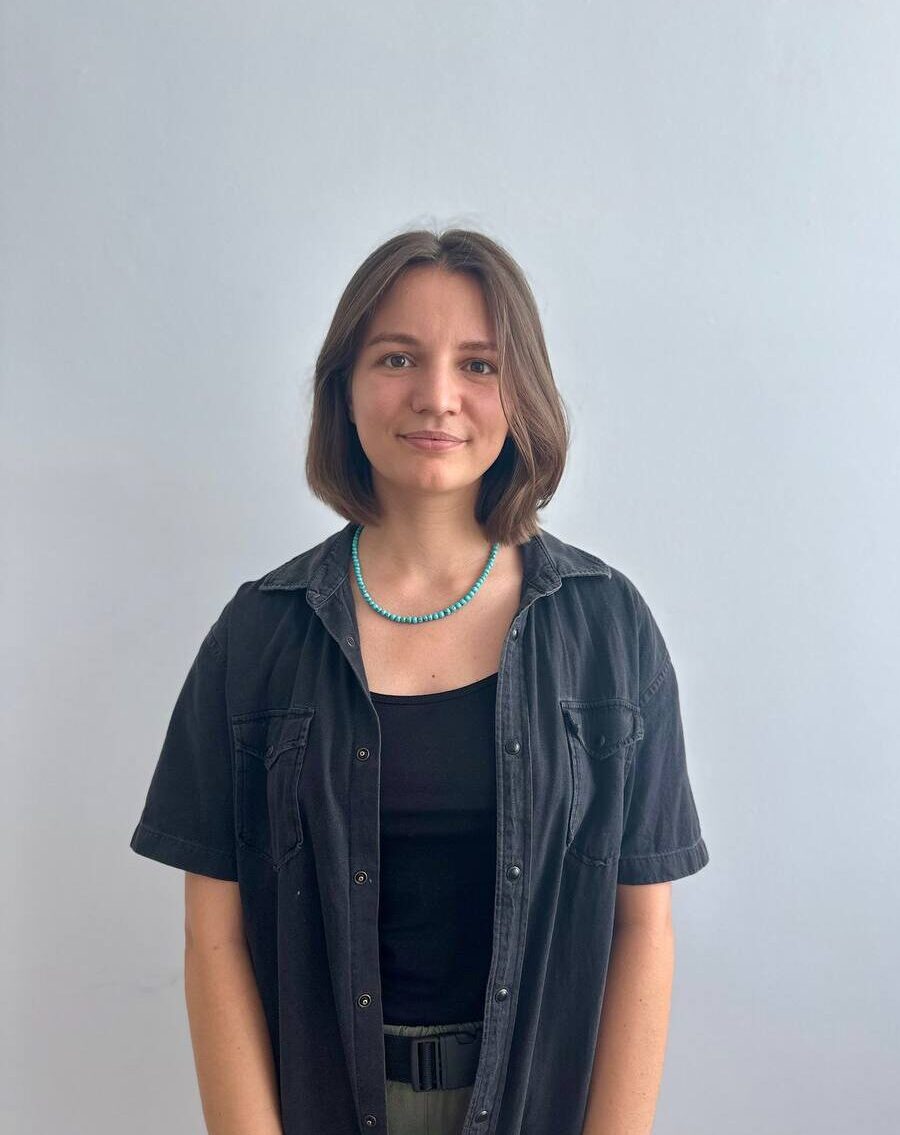
Sofiia, project assistant
I have been working at the Foundation since the summer of this year, and it is still difficult for me to fully detach from the emotions connected to this work and fully understand them. The stories of people from the frontline zones, people who have lost their homes, families, and who need support.
Their stories are often filled with pain, difficult experiences, and emotions they share, and it’s simply impossible to remain indifferent in such moments.
It’s hard to refuse help that, unfortunately, we cannot provide to everyone. Deciding who will receive help first and who will have to wait is one of the most difficult aspects of the job, as each person has a hard situation and story.
We all go through this difficult path together, sharing fears and worries. Each of us helps one another, supports, and gives strength.
Tolerance, sensitivity, and support are our foundation, which we cannot afford to lose.
The unpredictability of working days
Sometimes my commute to work becomes very complicated. I live on the left bank of Kyiv, and the office is on the right bank, and often due to air raids, I cannot arrive at work on time. Subway stations turn into shelters, above-ground stations and some bridges are closed. Huge traffic jams paralyze road traffic. As a result, I may only get to the office around lunchtime.
Air alerts, delays on the road—all of this changes the work schedule. Sometimes it’s hard to predict how your workday will go. In general, I can no longer fully control my day and it’s hard to predict how it will go. Will I manage to finish everything planned? Will the news of another bombing interrupt me? Will an air raid siren break my plans, forcing me to leave my workspace and go to a shelter?
I always take my work phone with me—on the subway, in a shelter, or on the road, I work on everything I can handle. The war has forced me to adapt to the circumstances and learn to work in unpredictable conditions. This is a challenge we must accept to stay effective.
How to work during power outages
Power outages are a real test, which significantly complicates not only my work but also my communication with suppliers, partners, and recipients.
Each power outage caused by the bombings leads to the loss of internet connection and sometimes mobile signal as well. In such conditions, it becomes impossible to process documentation, make payments, or organize logistics on time. Delays, unfortunately, become a common practice.
It is especially difficult to work with cities that are constantly bombarded, like Sumy or Mykolaiv. When power outages and communication breakdowns become the norm, how do you manage to process documents or sign important papers? And what do you do when help is ready, but due to lack of communication, it cannot be delivered on time? And when air raid alerts start, and postal operators are forced to stop working, these processes become even more unpredictable and take much more time. How in such a situation can you guarantee that all processes will happen without delays? How do you prevent the war from stopping work that is so important to many people?
But despite this, I have the responsibility to establish work processes and complete everything on time. These difficulties must not be an obstacle to providing timely assistance to those who need it.
Every day you try to find a balance between the war, work, and your life. So far, it’s not working.
Everything is further complicated by my emotional state, worsened by the daily news, bombings, nightly alarms, and sleepless nights.
All of this creates immense emotional strain that is difficult to overcome. Perhaps there is no way to overcome it. But we continue moving forward.
Valeria, project manager
Due to the full-scale invasion, I had to leave my hometown Kyiv, and move to Lviv. It was not easy because I missed home and my loved ones terribly. The move also affected my work process since the office remained in Kyiv.
This caused some complications; for example, the foundation has a huge amount of documentation, which is crucial for our transparency and reporting, and it makes up a significant part of our work. Therefore, a solution was needed for this, although Ukraine has countless convenient digital services, most of the documentation is still printed and signed the old-fashioned way, on paper.
Currently, most of our team works in the Kyiv office, and we stay in close contact online. Of course, I feel the distance that separates us, but there have also been some benefits. We have established good contacts with shelters for internally displaced persons, many of which were located in Lviv and other western regions in 2022-2023.
We are working closely with medical institutions that are actively helping those affected by the war. Thanks to my presence here, communication with them and other partners and recipients has become easier. We can directly observe how effective our aid is.
Non-stop work amid human grief
This is the hardest part of our work: facing unbearable pain and urgent problems that need quick reaction every day. And every problem is urgent. The already difficult situation is worsened by the disasters caused by the war when we have to make a choice: who needs help right now?
When the russian missile destroyed the Okhmatdyt Children’s Hospital, or when the Kakhovka Dam was blown up, we redirected all our resources to help those affected by these disasters. All other issues were put on hold.

And here comes the moral-ethical question for which there is no answer: how do you determine whose grief is greater? Who needs support more urgently?
And the non-stop work starts. We try to provide help as quickly as possible, but still ensure that the quality is not compromised. Even late in the evening, after the working day is over, you can’t afford the luxury of turning off your phone, because an emergency could arise at any moment.
When the active phase of the disaster response project ends, we return to the work that was waiting for us for a week or two, and it’s not just “work” — it’s people who were waiting for our help and didn’t receive it when they expected.
We dream of returning to normal life
I am very lucky to work in a Foundation that helps people affected by the war and provides assistance to hospitals.
At the beginning of the full-scale invasion, there were no boundaries between working and non-working hours. We worked whenever there was an opportunity, not knowing what tomorrow would bring.
Months and years have passed since February 2022, and we continue to work under intense pressure; we simply can’t afford to relax.
We take a week or two off, but keep our phones on, spending 1-2 hours a day working on the laptop. We have a small team, and the absence of one worker can sometimes halt a project, which is unacceptable.
“…Is it ethical to stop a project that will impact someone’s health?”
Of course, this level of stress leads to emotional exhaustion and burnout. How to cope with it? I don’t know yet. I just strive to return to normal life.
Tetiana, financial director
Does the war affect financial operations? Definitely!
During the war, every aspect of financial management becomes a real challenge. For example, air raids paralyze the work of banks. They do not even operate in phone mode. For financial operations, this is a disaster. Currency exchange, timely payment of bills, and adhering to payment schedules become complex tasks.
Internet outages complicate access to banking systems and the tax service. This often leads to incorrect information, which needs to be constantly checked and clarified. Each such verification requires time and resources, which are already always in short supply.
The war affects everyone, and every interaction with financial institutions is not just work, but a dialogue with people who live in the same difficult realities.
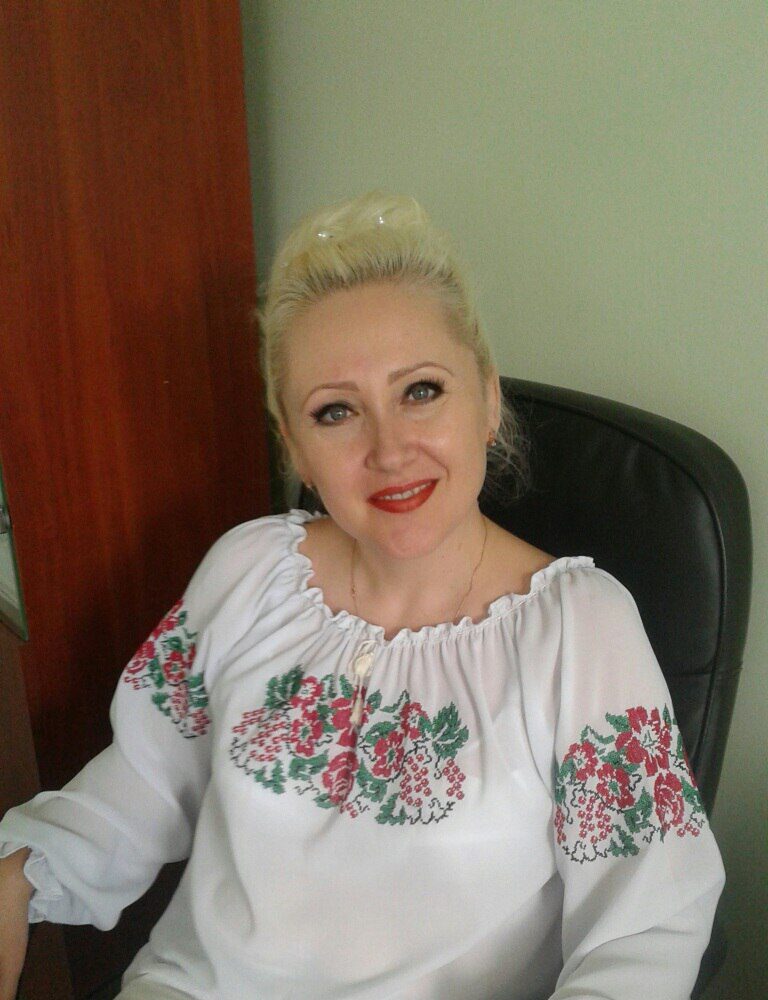
It’s hard to communicate with people who are in a state of shock after bombings and news about the aftermath. Many can’t get back to normal at all, everyone has their level of stress resistance.
Stress affects not only individuals but also the entire system. For example, according to tax inspectors, the emotional tension experienced by employees causes difficulties in submitting reports and other bureaucratic processes.
Working in wartime is both a challenge and a mission
The war forces everyone to be ready for unpredictable situations. This means the laptop with the foundation’s financial data always has to be at hand, even in shelters. Because the financial information of the foundation is our safety and responsibility. It cannot be lost under any circumstances, so we systematically archive the data, store it, and create backups.
The war has taught us to look at finances not just as numbers, but as real opportunities to make changes.
I have always felt responsible for how we spend resources. But now every hryvnia feels even more significant.
Now, when working with finances, you need to be not only precise and organized but also flexible. We must find solutions where it seems there are none, and react quickly to any changes. Resilience and adaptability are the keys to successful work.
My principle now is to think several steps ahead because in wartime there is no time for mistakes. Every action matters.
Systematic work, determination, and attention to detail allow the foundation to remain effective even in the toughest times.
In the toughest times, it is crucial to preserve humanity, seek new solutions, and stay true to our mission. There is still much work ahead, but we know that together, we can achieve more. This is what inspires us, gives us strength, and helps us move forward. We believe that every step we take is a contribution to a future where kindness and support prevail over any challenges.