War challenges people, compelling them to adapt, grow stronger, and discover new ways to achieve their goals. One inspiring individual is Oleksandr Kolisnyk, a physical and rehabilitation medicine physician from Vinnytsia.
The Beginning: Why Rehabilitation?
Oleksandr’s journey in rehabilitation medicine started at his first job. While still a third-year student at Vinnytsia National Medical University, he began working in a hospital’s inpatient rehabilitation department. At the time, his patients were civilians recovering from strokes. It was 2013.
The work fascinated Oleksandr. A year later, when he started working at a private medical center, he sought to improve the methods used then.
“My work then was similar to what physical therapists do today, though that specialty didn’t exist yet. I would walk with patients, teach them to sit, to stand.”
The management supported his aspirations for growth, and he gained valuable experience learning from advocates of active, evidence-based rehabilitation. His decision to become a physical and rehabilitation medicine doctor was not spontaneous. The increasing number of patients and the evident need for such specialization in Ukraine made this career path inevitable, and this was in 2014.
Rehabilitation Can Be Simpler
Training courses and workshops didn’t just provide Oleksandr with knowledge—they inspired him, fueling the enthusiasm essential for progress. At the time, rehabilitation in Ukraine was just beginning to develop, largely rooted in outdated Soviet methods. Oleksandr often found himself simply helping patients stand or, if possible, take a few steps, with the patients relying entirely on him for support.
One day, after returning from a new training session, Oleksandr simply asked a patient to stand up—and the patient did so independently!
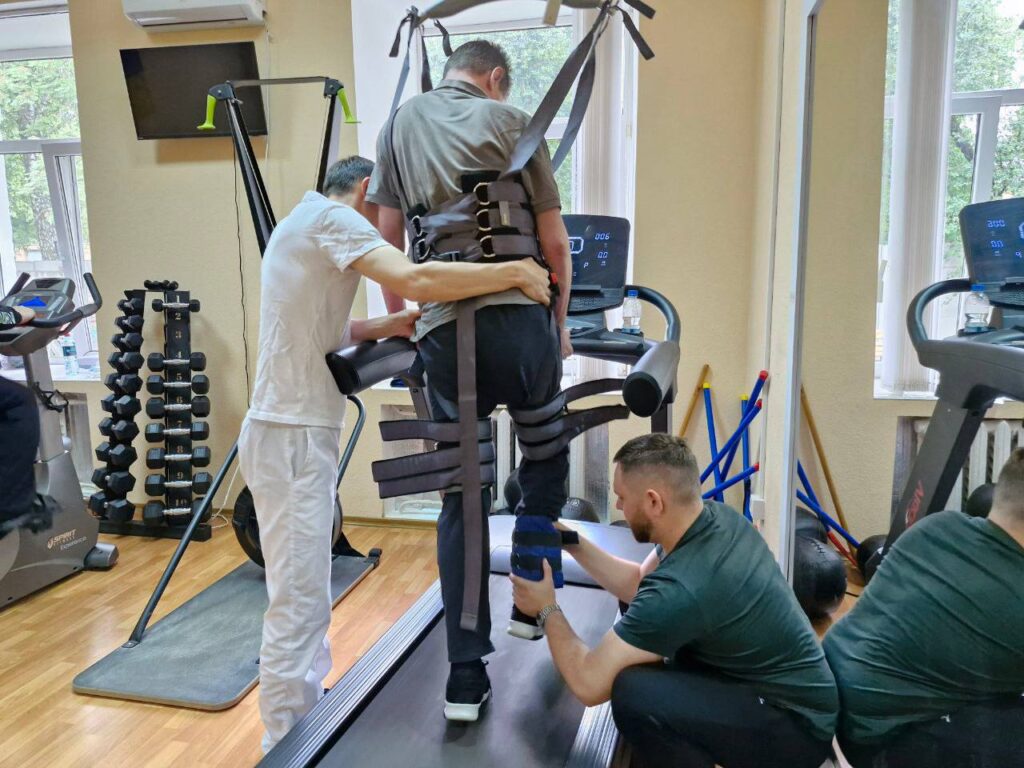
“That moment showed me that rehabilitation can be simpler and more active. It’s straightforward; you just need to understand what to do and how.”
From that point on, Oleksandr attended numerous courses, workshops, and seminars, both abroad—in Germany and Latvia—and in Ukraine, where specialists from around the world came to train hospital staff. By the time he completed his training in PRM (Physical and Rehabilitation Medicine), Oleksandr had acquired substantial knowledge and a clear vision of what effective rehabilitation should look like.
Next Step: PRM Physician
After completing his internship, Oleksandr began working in the same department as a PRM doctor, striving to organize team-based care. At that time, there was a severe shortage of specialists, including physical and occupational therapists. It was a challenging period. The team consisted of individuals with nursing backgrounds who were learning on the job, as everyone lacked sufficient experience.
“I’m proud that many people joined and became true specialists despite having no prior experience or formal training.”
A turning point came in January 2023 when Oleksandr moved from Department No. 5 to the newly formed Department No. 1. By then, rehabilitation in Ukraine had reached a new peak: the specialty was officially established in academic institutions, and trained professionals were entering the field.
It was a team effort. A like-minded specialist proposed creating a dedicated rehabilitation department at the Vinnytsia hospital. With colleagues’ support, the department brought together all relevant specialists.
“Each of us had a role and contributed to the development of the department.”
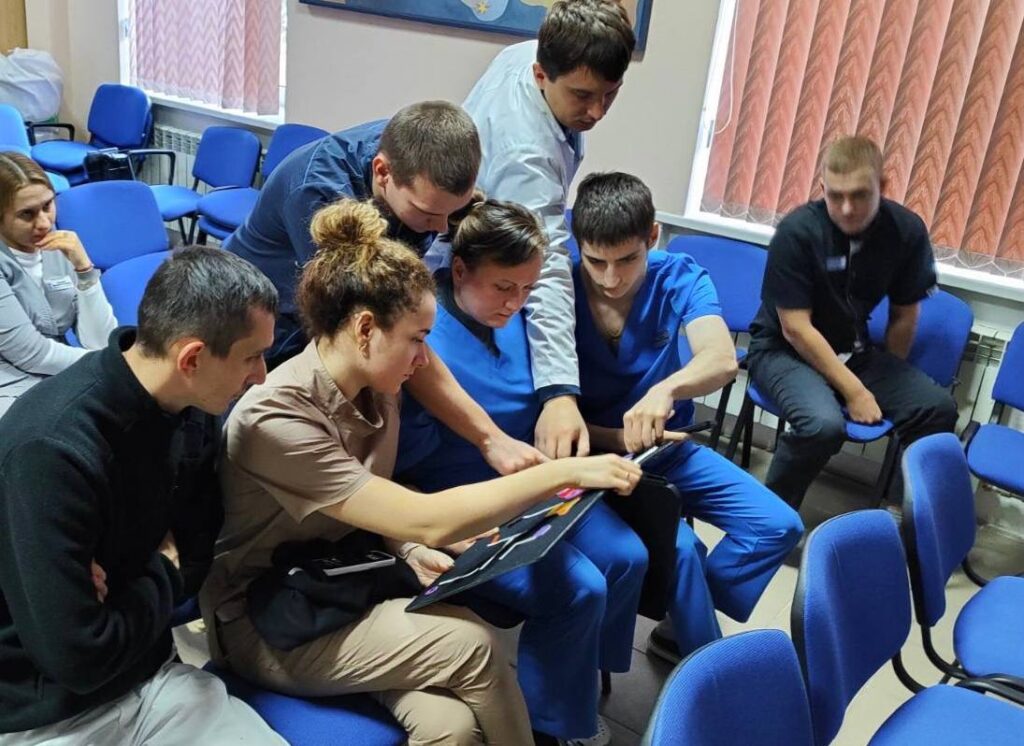
With his PRM training, Oleksandr organized a team of young professionals with little or no prior experience. Their work focused on delivering the most effective rehabilitation possible, using all available resources. Over time, their operations became more streamlined, and today, the team has grown stronger, training others in the process.
“I believe this experience was invaluable. It contributed significantly to the development of rehabilitation in Vinnytsia, and I’m happy to have been part of that process.”
Vinnytsia Hospital treated patients with severe conditions: strokes, multiple sclerosis, neurological disorders, nerve injuries, military traumas, and post-traumatic stress disorders. Both veterans and civilians were among the patients. Oleksandr eagerly took on the most challenging cases, seeing them as opportunities for professional growth and inspiration. Witnessing a patient who arrived bedridden regain independence thanks to his efforts was deeply motivating. The support of hospital leadership and colleagues played a significant role, and Oleksandr fondly remembers his time at Vinnytsia Regional Psychoneurological Hospital.
“During my time there, I hope I made my contribution. The ongoing changes there are all for the better.”
The development of rehabilitation faced obstacles, including resistance from some specialists and patients accustomed to traditional methods. However, positive outcomes proved to be the best argument, gradually overcoming opposition.
Assistance
When Department No. 1 was established, it wasn’t a rehabilitation department but merely a space that needed organizing—from patient beds to equipment.
Support from various organizations and public funds was invaluable. Volunteers brought clothing, assistive devices, and treats, providing significant relief.
“Social Projects Center of Future” supplied rehabilitation equipment and training, including an in-depth course on electromyography that greatly enhanced the department’s capabilities.
A New Chapter: New Opportunities
After gaining extensive experience at Vinnytsia Hospital, Oleksandr was ready to apply his knowledge elsewhere. In October 2024, he was invited to head the rehabilitation department at Kyiv City Clinical Hospital.
It wasn’t easy—leaving his comfort zone, changing his workplace and residence, and moving his family to Kyiv after living in Vinnytsia for 15 years. Yet Oleksandr embraced the challenge. Passionate about advancing rehabilitation in Ukraine and training others, he wasted no time making an impact in his new role.
Clinical Hospital in Kyiv
The hospital where Oleksandr has been working for three months specializes in treating thermal injuries, specifically burns. Patients with burns covering 50% to 90% of their bodies are brought here, and there are very few such facilities in our country. Recovery is extremely challenging and slow, which, in turn, complicates rehabilitation.
The first initiative Oleksandr’s team undertook was introducing rehabilitation measures from the very beginning of treatment.
The rehabilitation department has been operating for nearly two years, and the team working there is relatively young. It includes physical and rehabilitation medicine doctors, physical therapists, occupational therapists, assistants, a psychologist, and a speech therapist. Now, patients no longer have to wait to be transferred to the rehabilitation ward for their recovery to begin—rehabilitation starts in the acute phase, right in the intensive care unit.
“…the department has great potential, and the quality of rehabilitation during the acute and post-acute phases determines how well the person will function in the future. So, there’s an incredible amount of work to be done.”
In the intensive care unit, alongside surgeons and anesthesiologists, the rehabilitation team helps patients restore basic skills like movement and sitting. Some patients even start walking during this stage.
The hospital treats not only burn trauma patients but also those with other conditions, including neurological disorders, strokes, and blast injuries. Many patients also experience comorbid post-traumatic stress disorders, such as sleep disturbances and emotional challenges. Therefore, significant attention is given to the psychological well-being of both patients and the medical staff. Periodically, specialists attend training sessions held at this and other hospitals. Oleksandr notes that the situation is no longer as critical as it was during the first months of the full-scale war.
“It’s much easier now than it was in March 2024, when we received our first wounded patients and didn’t know how to approach them or what to expect. Now, it’s much simpler. You get used to it, though it doesn’t make it any easier”
Opportunities and Needs of the Department
The rehabilitation department at the Kyiv Clinical Hospital is equipped following state requirements, featuring wards and rooms with the necessary equipment. However, the team aspires to provide the highest-quality services to patients, which requires significant efforts in terms of facility upgrades and staff training.
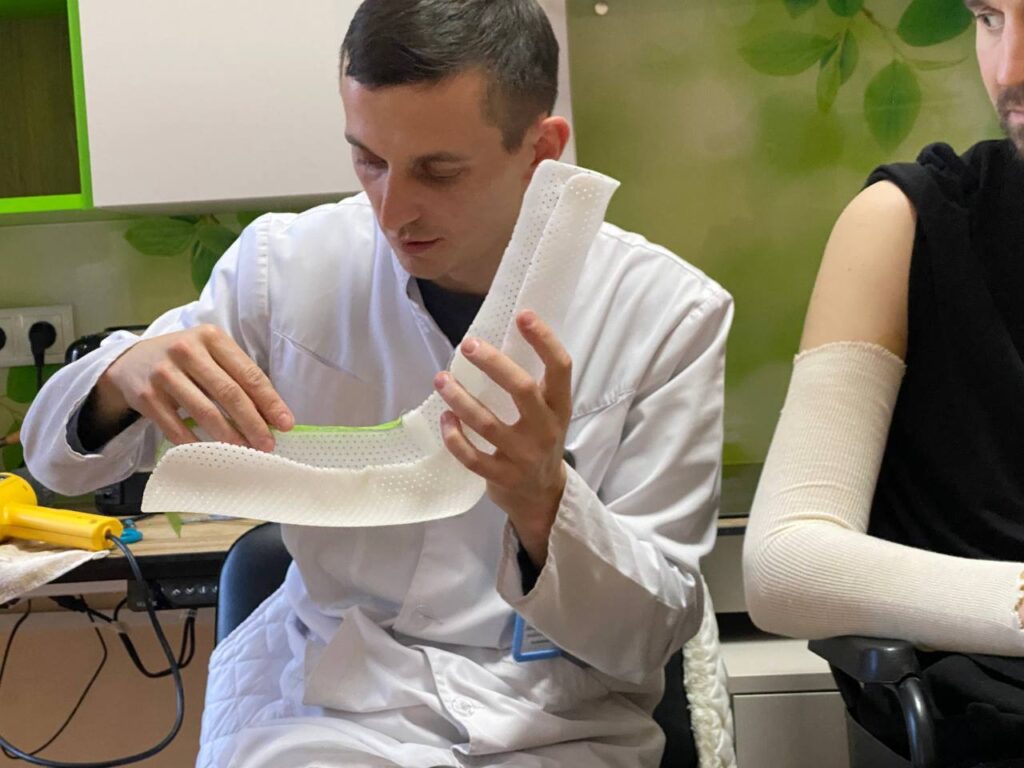
Currently, the premises require renovation, and the material and technical resources, as well as rehabilitation equipment, must be replenished. Immediate needs include compression garments, thermoplastic materials for orthotics, rehabilitation equipment such as exercise machines, dumbbells, resistance bands, and other assistive devices for rehabilitation. Adapting the facilities to meet the needs of individuals with disabilities is also crucial. While a complete overhaul is impossible during wartime, Oleksandr has some cost-effective ideas. For example, installing call buttons near patient beds to summon nurses or improving restroom facilities to better accommodate wheelchair users.
Rehabilitation Through the Eyes of a Specialist
Oleksandr believes that rehabilitation in Ukraine is undergoing rapid development, marked by fundamental and positive changes. The field is transitioning from a passive, post-Soviet stage to an active, modern approach.
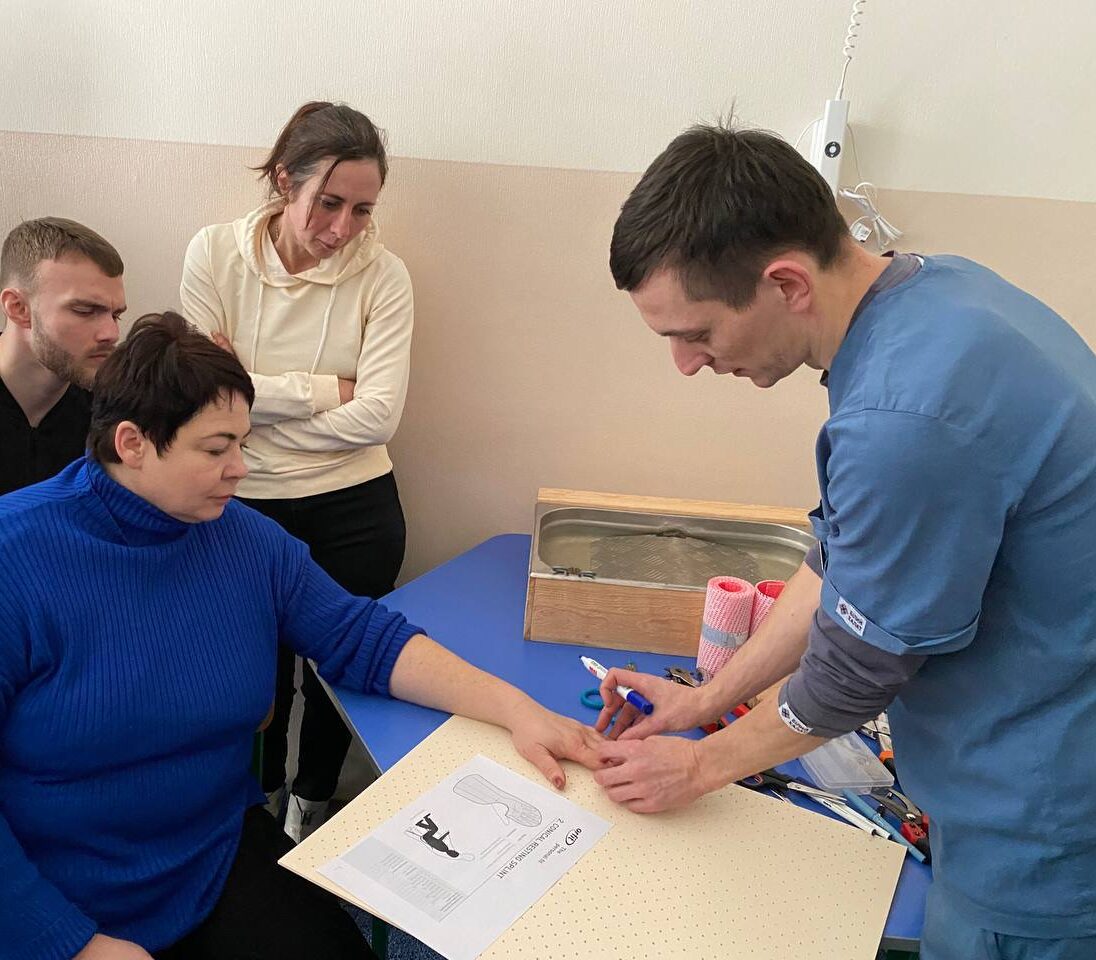
The experience we’re gaining now in assisting our wounded is invaluable. Over time, others will learn from us, which is why it’s crucial to provide the highest quality and most effective care right now.
Rehabilitation specialists continuously pursue further education to refine their skills. The experience already gained by physical and occupational therapists needs ongoing enhancement. The department also requires training in physical and rehabilitation medicine, electromyography, spasticity management, and other areas.
Three times a week, a Red Cross specialist visits the department, sharing expertise that visibly impacts patient outcomes and accelerates progress to subsequent recovery stages.
“For me, burn injuries are a new specialty. I hadn’t worked with burns before—just a few patients with related injuries. So I’m learning alongside our team.”
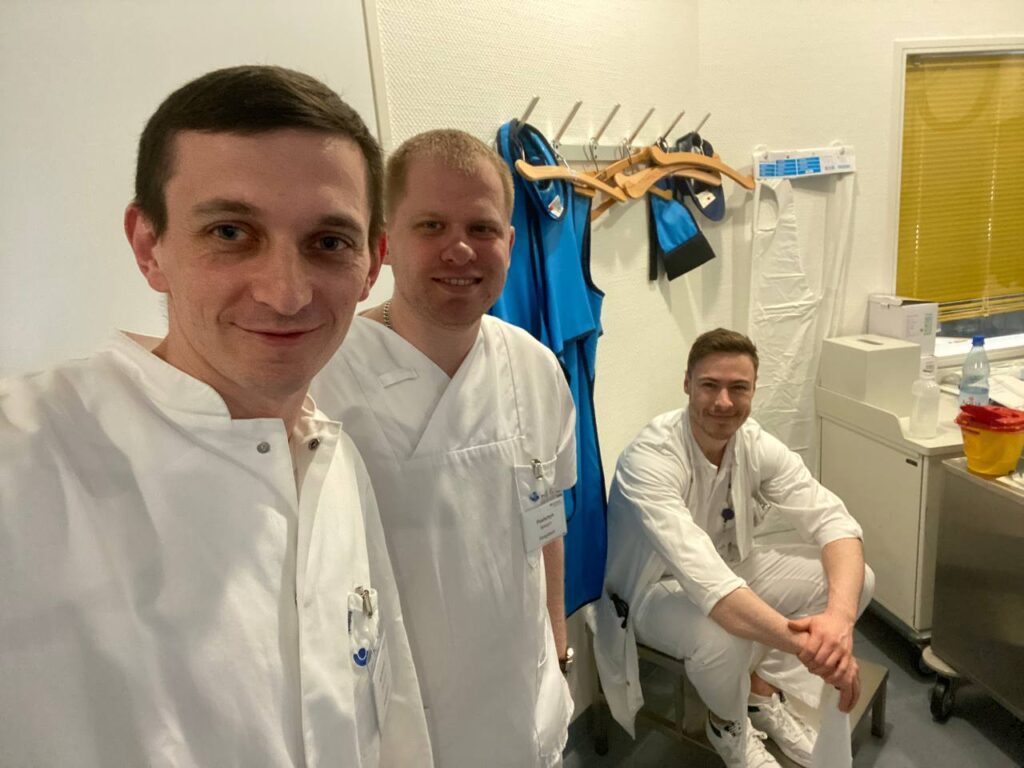
The team includes many young specialists aged 20 to 25 whose enthusiasm and energy inspire their senior colleagues. They are eager to work, learn, explore new solutions, and innovate—an approach that is truly encouraging. Together, the team reviews complex cases, consults on ways to improve their practices, and discusses potential changes. While each member brings at least some prior experience, Oleksandr emphasizes that everyone has room for growth, and the need for ongoing learning is constant.
Specialists frequently visit the hospital to share knowledge, but external internships at other medical institutions remain essential.
The new department head is committed to ensuring that all processes align with global standards and incorporate the best practices in rehabilitation care.
______________________________
Rehabilitation in Ukraine is advancing rapidly. More and more young professionals are joining the field, while the medical community grows stronger each day, overcoming challenges and exploring new horizons. However, much of this progress still depends on the dedication and initiative of individuals.
For the continued success and growth of these efforts, it is vital to provide consistent support. This includes access to up-to-date resources, offering in-depth training, fostering opportunities for professional development. Our organization is dedicated to strengthening partnerships, expanding its reach, and applying innovative methods to improve rehabilitation services across Ukraine. This work is crucial in restoring the health and physical abilities of those affected by the war, ultimately contributing to the long-term recovery and future resilience of Ukraine.