There are countless stories of Ukrainians whose lives have been destroyed by the war… Each one is heavy and overwhelming. Yet there are people who change these stories.
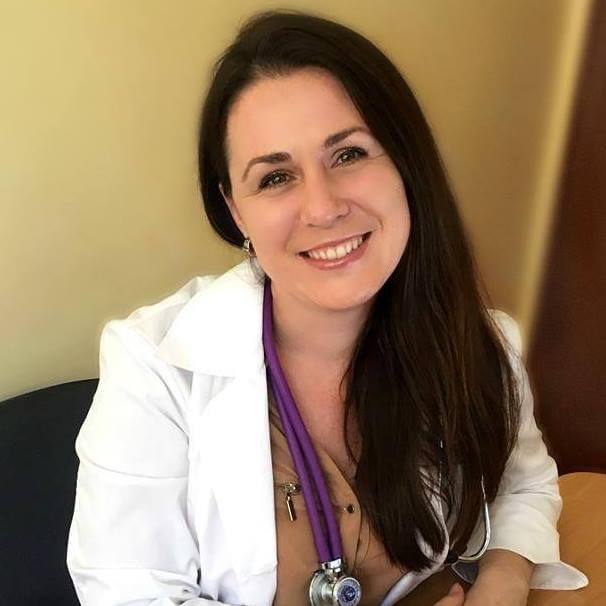
Such people work, in particular, at the Rehabilitation Center of the Vinnytsia Regional Psychoneurological Hospital named after Academician Yushchenko. The head of the Center, Dr. Olena Dolynna, a physical and rehabilitation medicine physician, talks about the incredible team of doctors working there.
The beginning
Like many others in various cities across Ukraine, the opening of our department was necessary. The full-scale invasion triggered many people needing assistance, and the demand only kept rising. Soon, the question of establishing a rehabilitation center to handle the most challenging cases arose, and in 2023, this department was opened.
We take patients that other medical facilities have been hesitant to take on. Most of them are transferred from intensive care, neurosurgery, and neurology departments, and require both rehabilitation and treatment. The most common diagnoses we encounter include spinal cord injuries, traumatic brain injuries, and strokes.
Many of these patients are in unstable conditions, but we chose this path at the very beginning—to work with the most complex cases. People with neurological injuries and issues that lead to functional impairments come here from all over Ukraine, and we provide them with comprehensive care.
Who are our patients?
Our center takes everyone, regardless of status or age. Our patients include veterans and civilians, internally displaced persons, people with disabilities, children, adults, and the elderly. Most commonly, we see injuries sustained during shelling.
The majority of these cases are very complex, and a single hospital department is not enough to address their issues. These cases can involve multiple fractures, untreated illnesses with complications, craniocerebral injuries and spinal injuries. Add here thromboembolism, pneumonia, repeated stroke, bedsores, pulmonary edema, undiagnosed fractures, sepsis. We are often faced with improper treatment of wounds or with wounds that have not been treated at all.
Almost always, these impairments are accompanied by post-traumatic stress disorders. These are patients whom other facilities have refused because their conditions are too severe. They are handled by a team of specialists, including non-medical experts. The work requires a wide range of knowledge and strong communication skills. We provide assistance both in the hospital, one of the largest in Ukraine, and on an outpatient basis.
Where the work of a rehabilitation specialist begins and ends
The hardest moments in our work are the first days. Our patients need comprehensive consultations from many specialists, and their actions must be coordinated.
Patients with complex polytraumas are initially directed to surgery. Sometimes, before they reach our Center, a person may go through several surgical departments. But we communicate with them throughout this journey because, from the start, communication is crucial. We create a plan that determines which areas are priorities and which specialists will join in subsequent stages. It can also be emotionally challenging because the complexity of patients lies not only in their diagnoses but also in their emotional states. What they have endured already leaves a significant impact on the success of further treatment.
Such was the case with one of our civilian patients, who was caught in an explosion wave while repairing the roof of his house. In an instant, he lost his home and suffered a spinal cord injury. People like him need special support.
There are cases when, instead of previously diagnosed conditions, we find oncological diseases or foresee a future life in a wheelchair. We must support a person when the prognosis is disappointing and motivate them to fight for their future. It’s challenging—to explain the situation’s complexity without breaking them emotionally.
After rehabilitation, patients still need help. We monitor each one’s condition, and if we see that a person is ready to return to normal life, we discharge them. But we always know where our patients will go, providing them maximum support. Often, a person has nowhere to return to, as they have lost their home and family and now have limited physical abilities. In such cases, the Center works to adapt their living conditions. Many patients return here for further cycles of rehabilitation.
The cost of life
A resident of the Kherson region, who came to us after the explosion at the Kakhovka Dam, needed comprehensive rehabilitation and medical assistance. She and her husband were evacuated by boat, but gunfire was heard, and the husband covered his wife, saving her at the cost of his own life. The woman also suffered gunshot wounds. She was admitted in critical condition to neurosurgery and later transferred to us for rehabilitation.
It’s terrifying to imagine—these were not shrapnel wounds but bullet wounds. They were just civilians trying to escape…
“I want to thank you!”
Now, the saved woman lives here in Vinnytsia—she has become a resident of our community. She visited us again and gave us a gift: she created a beautiful flower bed in the backyard of the facility. This was her way of saying thank you.
She is not the only one who wishes to show gratitude. A veteran who underwent rehabilitation here after a spinal cord injury made garden furniture from pallets left over from transporting equipment. Another gifted a barbecue. Now, the men being treated here share photos of themselves drinking coffee outdoors or cooking barbecue.
Our unbreakable ones
Each patient is valuable to us, and each story stays with us forever. Together, they form a narrative of Ukrainians fighting for freedom, a narrative in which we, the doctors, are also participants. But the most cherished chapters in this book are the stories of the patients we fight for from the moment they arrive in intensive care, staying with them even after they are discharged.
It’s a true miracle—to see a person who was brought in unconscious now riding an ATV or running their own business. Some have adapted their cars to their needs and have driven home to Kharkiv wearing prosthetics. Others send us pictures of themselves growing grapes in a wheelchair. Each story like this is an inspiration.
For us, the medical workers, strength comes from a patient’s willingness to cooperate, and their belief that things will get better. And the main support for the patients is their loved ones. A person can achieve the impossible with family support. It is such people who, after rehabilitation, rebuild their lives, succeed professionally, and build strong family relationships.
Patients that others have refused
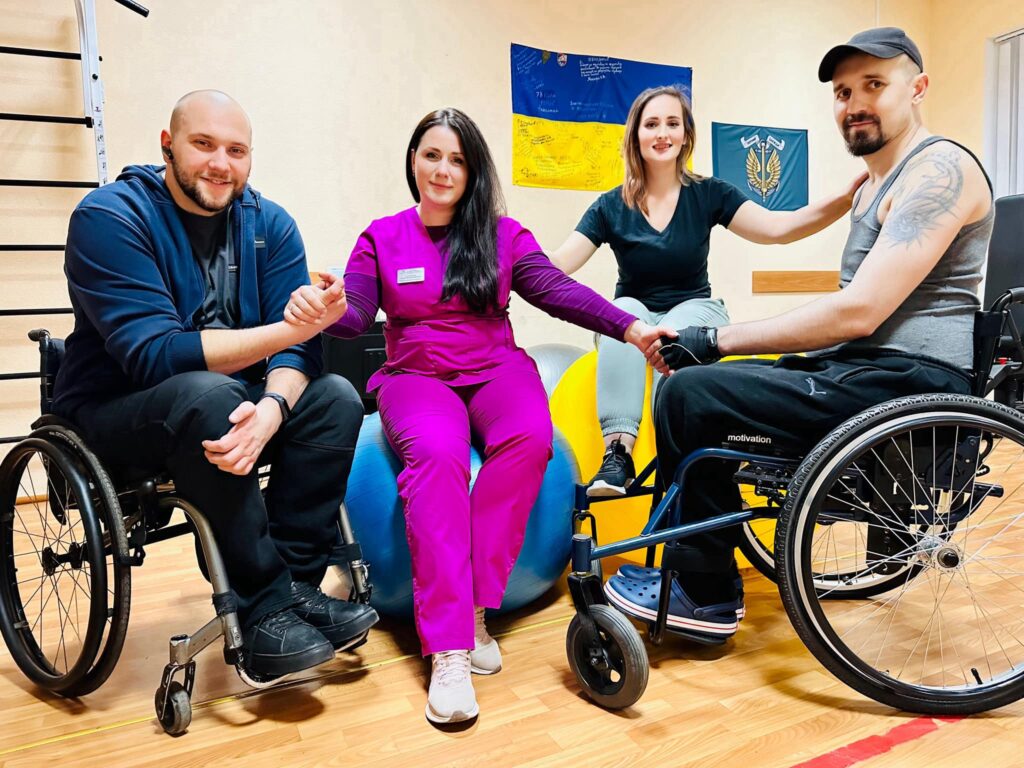
This happens: we take patients that other facilities have refused. We have such a story. In this particular case, it was a severe polytrauma—fractures that had been improperly operated on. Besides incorrect surgery, there were also post-operative and rehabilitation errors. As a result, the person came to us in a wheelchair, in a depressed state, completely dependent on others.
Now, the patient moves with crutches, works, and is fully independent. Due to complications, additional surgeries are still necessary, but the first successful stage is already behind us. Family support—his mother and sister—played a huge role in this.
Another patient, who came to us from a neurology department, was severely injured when a concrete wall collapsed on him after an explosion. He had a spinal cord contusion, a spine injury, and weakness in his legs, causing difficulty walking. Now his condition has stabilized, and he continues rehabilitation.
You helped us help others
The offer of assistance from the charitable foundation “Social Projects Center of Future” was a tremendous support for us. Representatives of the foundation contacted our department and learned about our needs, and with whom we work. Thus, our cooperation began, which has brought significant benefits.
No matter how strong the team is, effective work is impossible without appropriate equipment. One of our patients, whom other facilities had refused, was very fortunate because we had the necessary equipment to make his rehabilitation successful.
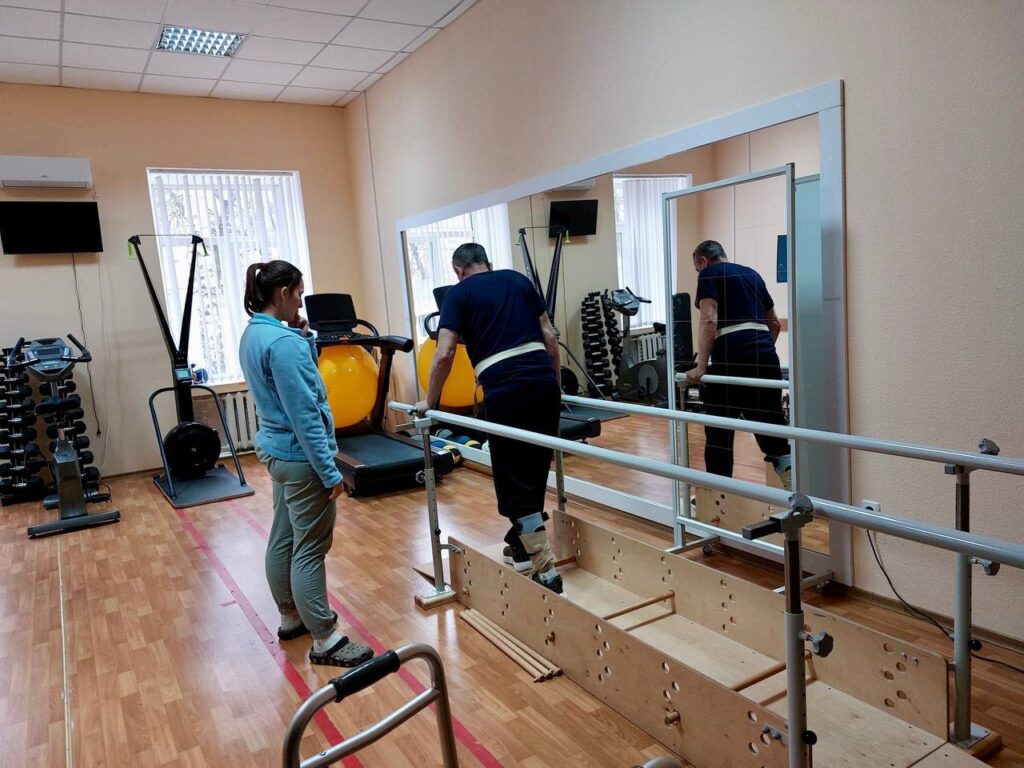
With the support of the “Social Projects Center of Future”, we implemented two modern devices into our rehabilitation program. The first device helps address contracture, or restricted movement, in the shoulder joint, while the second one is essential in restoring knee joint functions. The previous surgery to collect the fragment fracture was unsuccessful, the structure was loose, and our specialists fixed it. The equipment we received made this task much easier.
An unexpected aspect of working with the equipment
Perhaps someone will be surprised, but modern equipment contributes not only to the physical recovery of patients, but also stimulates them to new achievements. There are two reasons for this. First, the very appearance of new technology gives a person faith that it will definitely work, and everything will work out. Secondly, working out on modern machines is much more interesting than repeating the same movements several hundred times without them. Interest replaces fatigue, which boosts motivation—it’s that simple.
Our challenges
The primary challenge we face in rehabilitation is staff shortage. Unfortunately, facilities like ours are few in Ukraine, and the demand is constantly increasing. Patients who have already completed their rehabilitation often return with new issues, as injuries rarely heal without leaving some trace.
Our team
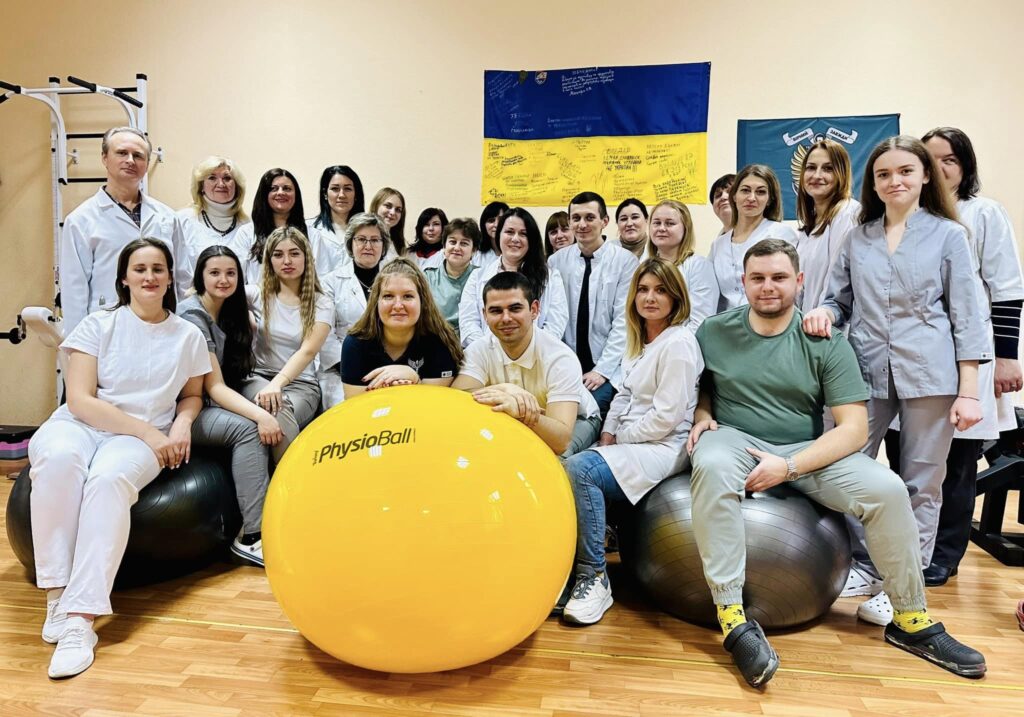
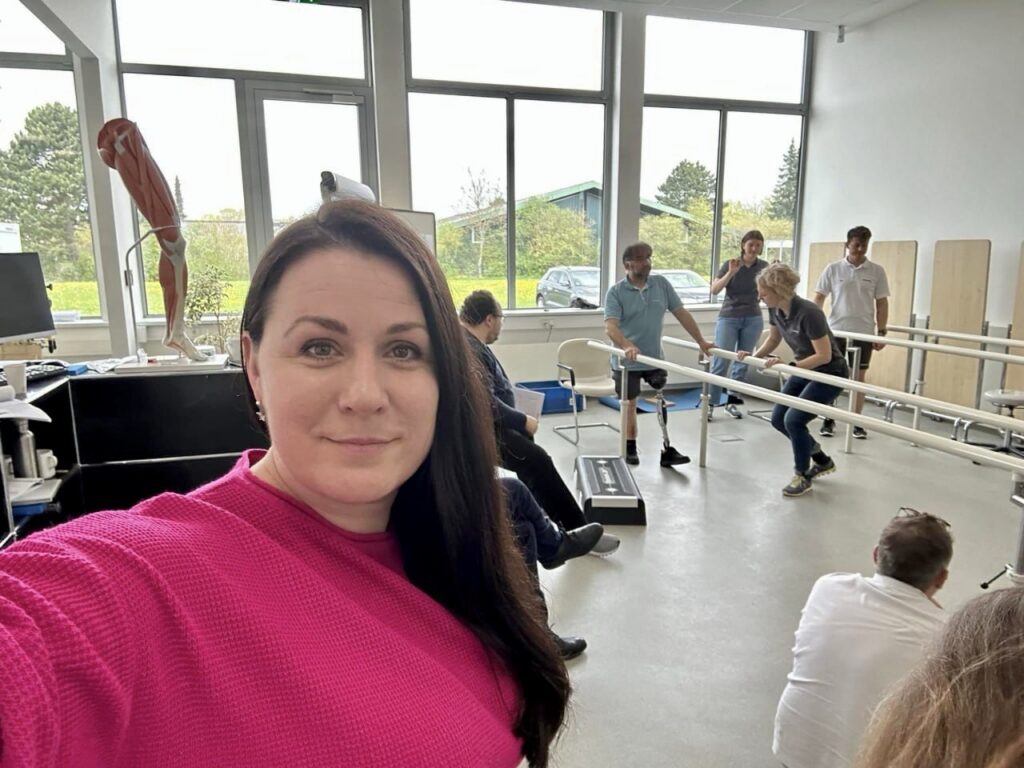
Currently, our team consists of 80 people, with one more joining us soon. However, we still feel the acute need for additional hands. The number of inpatients is consistently close to one hundred. People from all over Ukraine come here, and we always have a waiting list since we simply cannot accommodate everyone in time.
Staff training
Our center urgently needs opportunities for advanced staff training, collaboration, and knowledge exchange with colleagues in Ukraine and abroad. Unfortunately, even in Europe, there are few specialists available to consult with and train our staff. We strive for autonomy in our work, and over the past two years, we have learned to conduct procedures and examinations that previously required referrals to other facilities.
Equipment
We started work with almost no equipment. Over two years, we managed to partially close this need, in particular, thanks to the support of the “Social Projects Center of Future”.
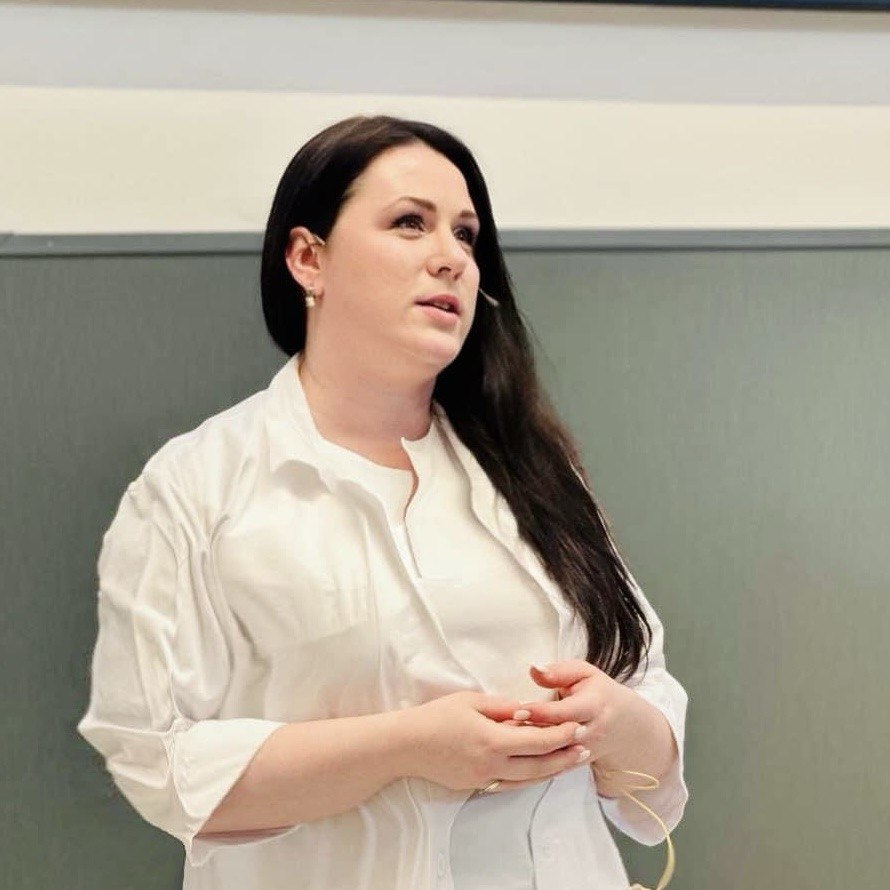
The foundation helped us acquire continuous motion devices for shoulder and knee joints—devices that we urgently needed. This made work with contractures and limitations of movement in the joints much more effective. It made it possible to relieve specialists so that they could pay attention to other areas of work. We are now getting more done in less time.
Currently, there is an unmet need for the same devices for the hand joint and ankle joint, as well as sensory panels for working with children with cognitive disorders.
We have separate rooms for working with children, and we try to organize everything in such a way that it is interesting for the little ones to work in them. Child psychologists, occupational therapists, physical therapists, and speech therapists work there. And it is this department that is most in need of additional equipment today.
On emotions in our work
Can we afford emotions in our work? No, emotions should not dictate the actions of a medical professional.
But do we feel emotions while working with patients? Absolutely—we are human! Each patient’s success or setback becomes our personal joy or sorrow. We celebrate when we help someone walk again after a severe injury. We feel frustrated when we see patients lose valuable opportunities by skipping medication, neglecting exercises, or failing to monitor their blood pressure.
Our lives are deeply intertwined with theirs. We share every step of their recovery journey and are committed to continuing this path alongside them.