Hearing loss in a child is not a sentence — it’s a challenge. And it can be overcome.
Parental care, professional support, and proper technical equipment — these are the three key things that shape the future of a child with hearing impairment.
But it’s important not to underestimate the problem. Even partial hearing loss can cause many difficulties — from delays in general development to challenges with communication and social interaction.
A child may feel isolated and unable to express their emotions. This can lead to frustration, irritability, or even aggression. Their curiosity and learning can suffer. They may fall behind their peers and later face problems at school. Coordination and spatial awareness also become weaker, which lowers activity levels and slows down overall development.
That’s why it’s important to act early. Waiting too long can lead to changes in the child’s brain and body that may be hard — or even impossible — to reverse.
In this blog, we share useful information and practical advice for parents of children with hearing loss. Our expert is Dr. Olena Matiukhina from the “Medytsentr” clinic.

Olena is a first-category ENT and audiologist with more than ten years of experience and a member of the Association of Pediatric ENT Specialists of Ukraine.
Interview with the specialist: it’s interesting and useful to know…
🔹 Why can a child have hearing loss?
Hearing loss can be either congenital or acquired. Let’s first look at the causes of congenital hearing problems:
– Infections the mother had during pregnancy, such as rubella, flu, cytomegalovirus, herpes, or syphilis, can affect the baby’s hearing.
– Genetic factors passed down from parents can also lead to hearing loss.
– Complications during pregnancy, birth trauma, and a lack of oxygen at birth.
Acquired hearing loss, which develops after birth, can be caused by injuries, ear infections (otitis), meningitis, exposure to loud noise (especially relevant during wartime), or certain medications.
🔹 How can you tell if a child needs a hearing test?
Newborns have their hearing checked in the maternity hospital as part of standard newborn screening. But as the child grows, parents can notice signs on their own.
❗Here are some “red flags” to look out for:
– The child doesn’t react to loud, sudden noises nearby (like a pot lid falling or someone speaking loudly)
– Doesn’t respond to their name or when spoken to
– Speech isn’t developing or is clearly delayed
– Turns the TV or music up very loud, often asks people to repeat things
– Has trouble learning and interacting with others
If you notice any of these signs, it’s important to see an audiologist for a consultation.
🔹 Can a child’s hearing change over time if there’s already a problem?
Yes, hearing can gradually change — often for the worse. It depends on the cause of the hearing issue, how often the child gets ear infections or other illnesses, their overall health, and other factors. That’s why it’s important to do regular hearing checkups and keep an eye on your child’s development in general.
🔹 What role do hearing aids play?
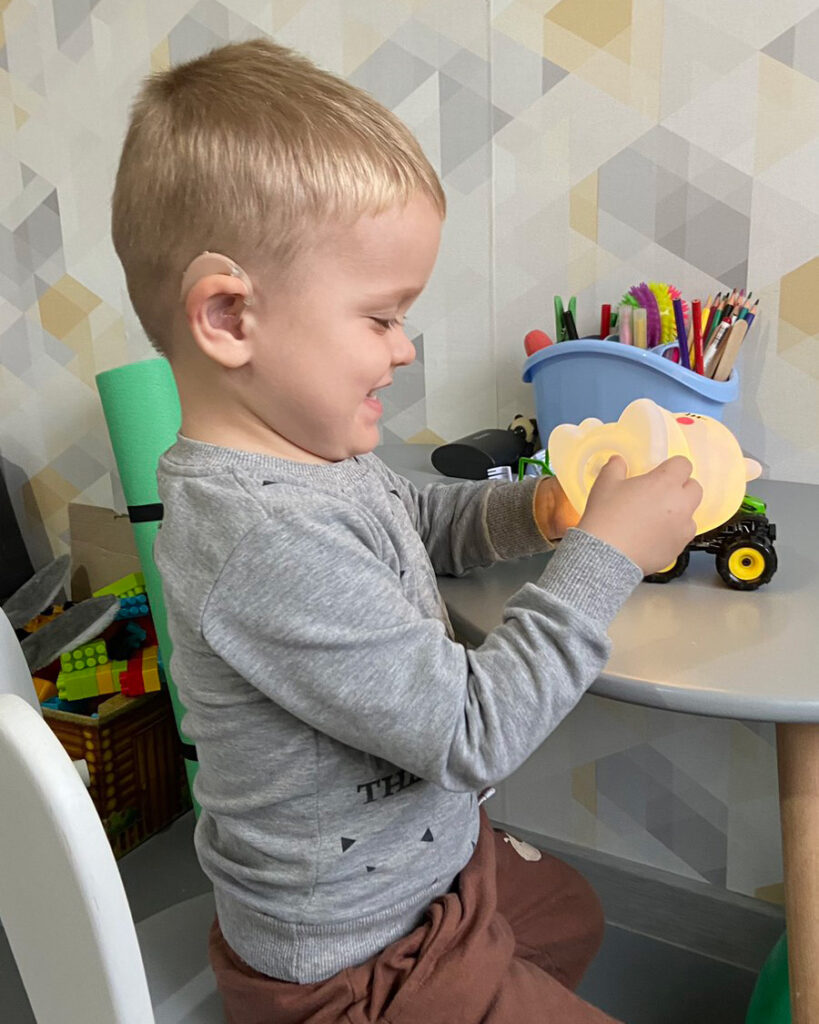
Hearing aids open up the full world of sound for a child. It’s not just about hearing — it’s also about development, learning, emotions, and connecting with others.
Hearing aids help a child gain important skills. For some kids, they’re a doorway into a whole new world where they can finally do things that once felt out of reach:
– hear speech and everyday sounds;
– speak and hear themselves;
– learn more easily at school;
– talk and play with other children;
– explore music, dancing, and foreign languages;
– watch movies and cartoons without sign language.
That’s why early hearing correction is so important — it helps the child grow and improves their overall quality of life.
🔹 When should hearing aids be fitted?
A hearing aid should be fitted as soon as the diagnosis is confirmed. This is one of those cases where you really shouldn’t wait, because the fastest development in a child’s life happens during the first three years. The earlier a child gets help, the better results they will have in the future.
🔹 How long can a child use a hearing aid?
Modern hearing aids are designed for long-term use. They are durable and work well if properly cared for. If needed, specialists can adjust the settings over time to match the child’s age and hearing needs.
🔹 Can a child with hearing loss live a full life?
Yes, absolutely. If the problem is diagnosed in time, children with hearing loss are no different from other kids. They communicate and socialize, make friends, play games, study successfully in school, and take part in different clubs and activities. They go on to choose a profession, build a career, and live fulfilling lives.
🔹 Is there any government or charitable support?
Yes. If a child has hearing loss, parents in Ukraine can receive help through the following programs and organizations:
– Government programs that provide free hearing aids or cochlear implants
– Regional support programs (through local social services)
– Charitable foundations that assist families in difficult life situations
– International humanitarian initiatives, especially those focused on helping people affected by the war
🔹 What should parents do if they learn their child has hearing loss?
First, I want to stress two things parents should not do: Don’t panic, and don’t delay.
What should you do next?
See an audiologist for a full diagnosis
Get a hearing aid or cochlear implant (if needed)
Work with a speech therapist, special education teacher, and surdopedagogue
Give your child as much love, support, and confidence as you can
Remember: your reaction plays a big role in how your child feels and how they understand the situation.
🔹 How do children react to using a hearing aid for the first time?
It depends, but it’s always an emotional moment. Young children often smile, laugh, or look surprised. Older kids might feel shy or nervous at first, but with support from their parents, they usually get used to it quickly. The first reactions are always touching — it’s the first time the child hears their mother’s voice, birds singing, or the sound of the wind.
🔹 Is it necessary to work with specialists?
Yes. A hearing aid is only part of the journey — it’s the first step. In addition to the device, a child also needs professional support. Most importantly, they need a speech therapist to help speed up speech development and catch up on what’s been missed. They’ll also need a surdopedagogue — a specialist who helps children understand spoken language.
Speech doesn’t appear instantly, but with regular sessions, children can make great progress.
🔹 Can you share an example from your practice?
Of course. In our practice, we’ve seen many children who received hearing aids before the age of one. By age three or four, they were speaking in full sentences. Some of them started school without needing extra support. This shows again how important it is to act early, be patient, and believe in your child.
🔹 How does the war affect children’s hearing?
Unfortunately, the war has increased the number of children with hearing loss. The causes include both blast injuries and loud noises that damage the eardrums. Severe stress and anxiety also affect a child’s overall health, and as a result, their hearing may get worse. That’s why we encourage parents: if your child has been in a war zone or has experienced strong stress — it’s important to get a hearing check-up with an audiologist.
A world of sound for every child
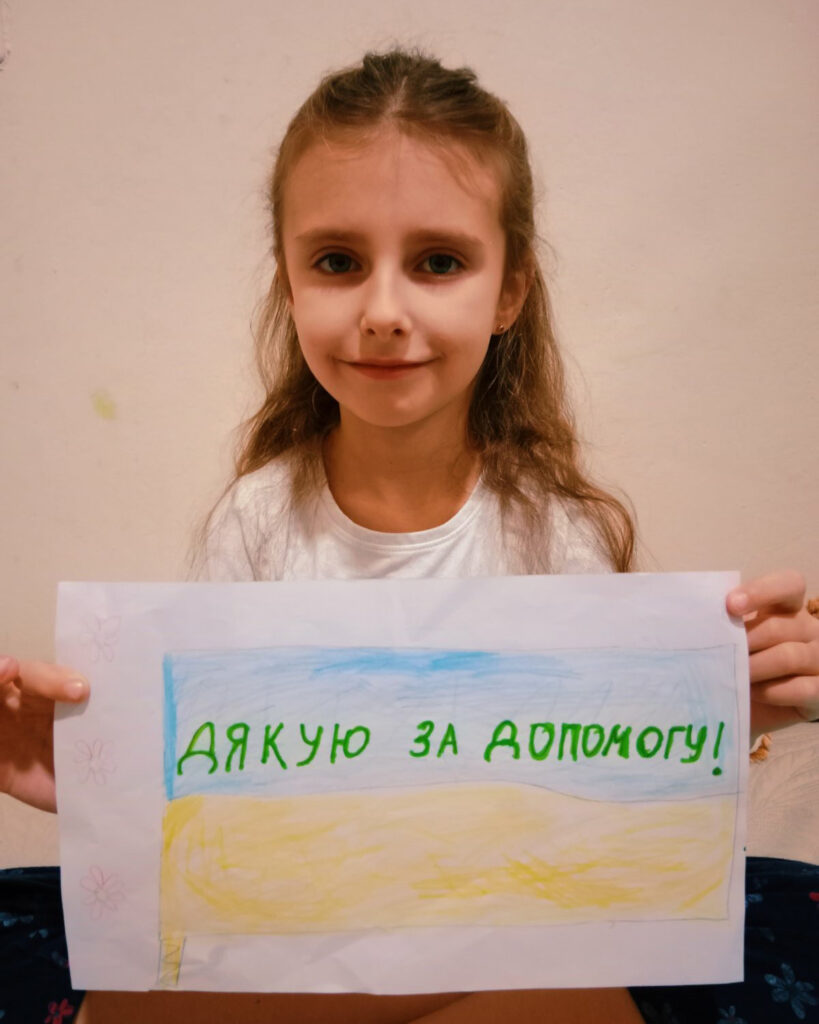
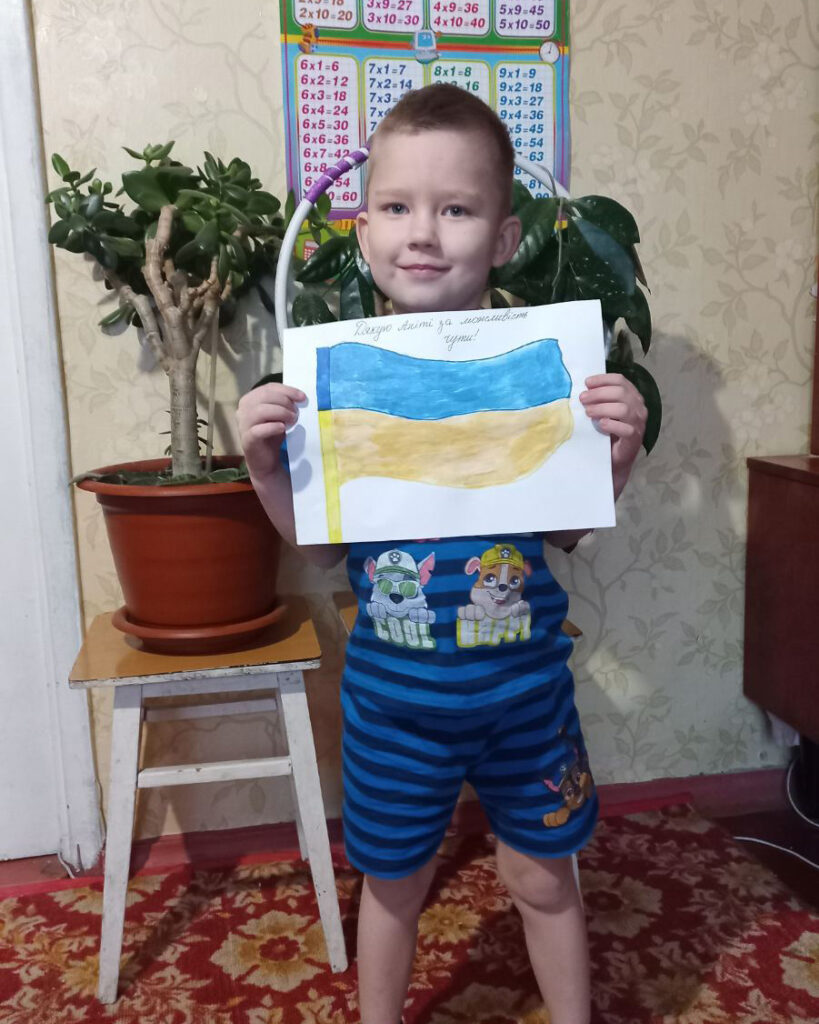
The first child to receive a hearing aid from us was 10-year-old Tolya, back in April 2019 — that was the beginning of our work to support children with hearing loss.
Six years have passed, and here are the results:
🔊51 children have received hearing aids.
🏥 In 2023, we delivered an audiometer and tympanometer to the Mykolaiv Regional Children’s Hospital. The hospital treats children from birth to 18 years old. The new equipment allows doctors to perform accurate and timely hearing diagnostics — which means children can get the help they need without losing precious time in their development.
Over the years, this project has led to many joyful stories — moments when a child’s life changed for the better thanks to a hearing aid. Because the ability to hear opens doors — first to school, then to university, and eventually to success in adult life.
“There was a case when a boy missed a whole year of college admission because he didn’t have hearing aids — no school would accept him. In spring, we provided the devices he needed, and now he finally has a real chance to apply,” — Valeriia Granovska, project manager




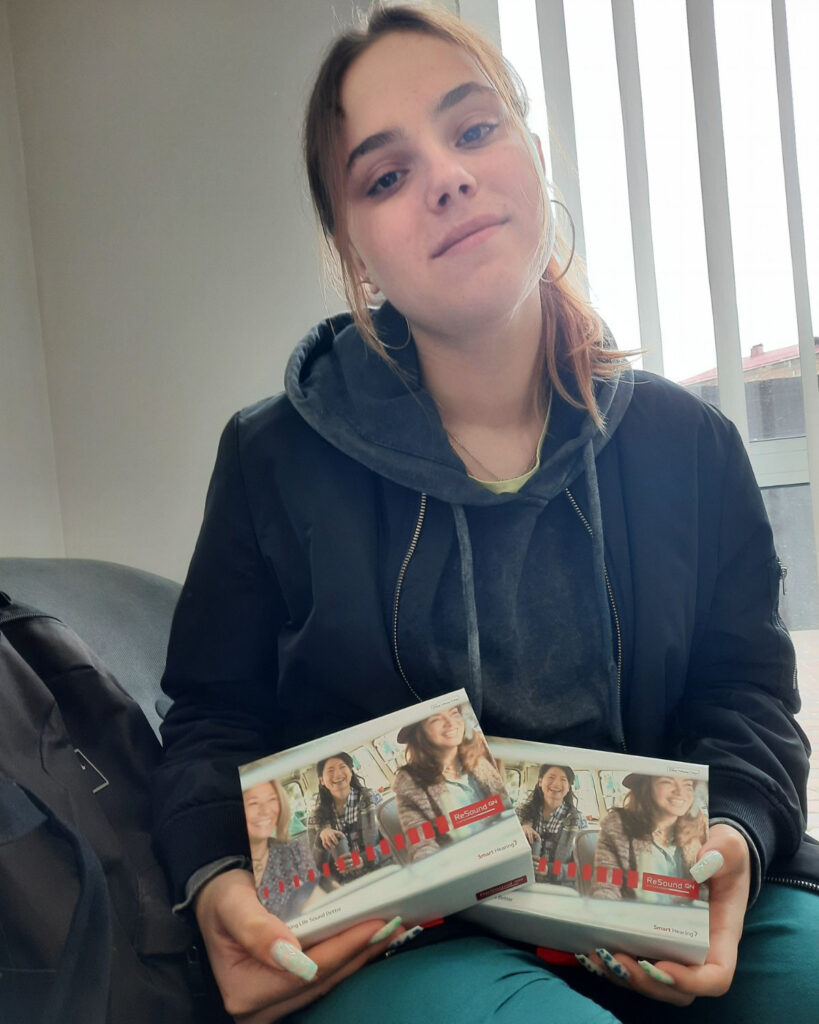
That’s why we believe it’s essential to keep helping children with hearing loss — now more than ever.
How to communicate with a person with hearing loss: tips
These simple tips will help you connect with someone, even if they can’t hear you. Hearing loss is not a reason to avoid communication.
– To start a conversation, first get the person’s attention. You can do this by gently waving your hand or lightly touching their shoulder if they’re turned away from you.
– Talk directly to the person — not to their assistant or interpreter, even if one is present. Some people with hearing loss don’t know sign language but can lip-read very well. That’s why it’s important not to turn away while speaking. Speak clearly, but not too loudly. Remember: shouting doesn’t help — it only distorts your facial expressions, making lip-reading harder.
– Sometimes people use picture cards that are easy to understand. The order in which they place the cards can be meaningful, so try to think about what they’re trying to say.
– You can also use writing — on a notepad or a phone. Sometimes, after reading your message, the person may answer verbally, which can make the conversation easier. Others may use a mobile app that turns written text into audio.
So when starting a conversation, it’s best to ask which method of communication is most comfortable for the person.
A few words about etiquette
When talking to someone with hearing loss, remember: hearing impairment is not the same as intellectual disability. Many people with hearing loss are educated and skilled professionals.
Whether someone can read and write depends on the rehabilitation they’ve received — so asking about it directly can be offensive.
Also, avoid questioning the person’s abilities — like taking care of themselves or driving a car. Some people with hearing loss even dance — they can feel rhythm through vibrations.
During the conversation, be patient. Give the person time to reply. Don’t try to finish their sentence or guess what they’re trying to say. Just be respectful and give them space.
Speak clearly and use good articulation. Don’t shout or slow down your speech too much — that’s not helpful.
Also, don’t ask about the severity of the hearing loss or its cause, or whether anyone else in their family has the same condition.
Talk to the person the way you would talk to anyone else — just make sure they can clearly see your face.
End the conversation politely, just like you would with someone who hears well. If you don’t understand what the person is trying to say, don’t pretend — ask them to repeat or try a different way to communicate. And if nothing helps, simply say so kindly and respectfully end the conversation.
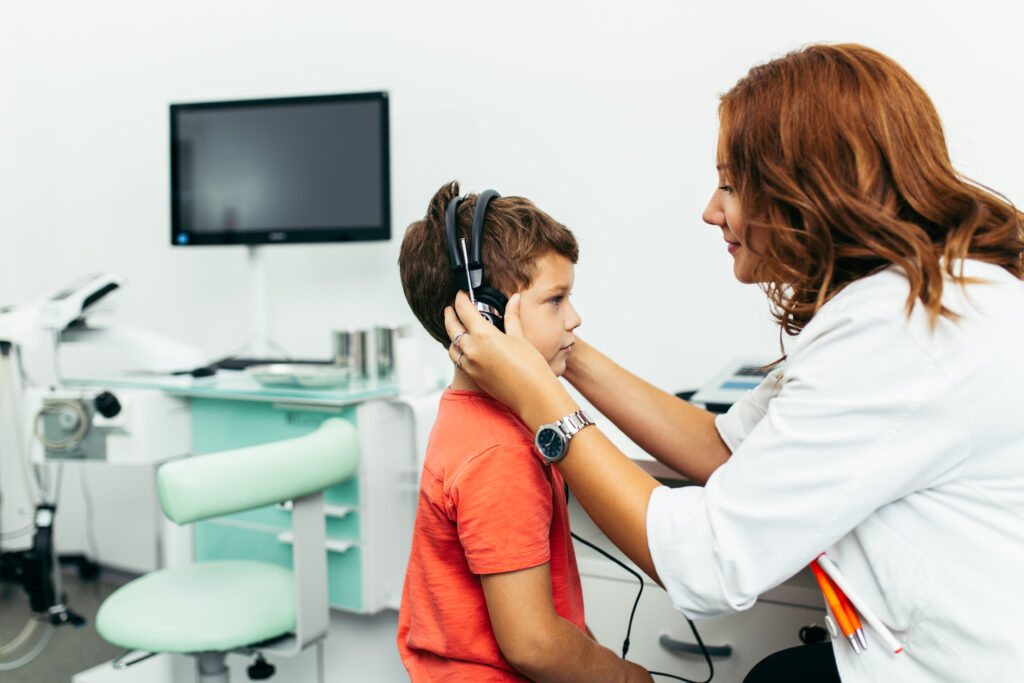
Hearing is not just a physical ability — it’s a bridge to discovering the world, communicating, learning, and emotional development. For children with hearing loss, hearing aids are not a luxury — they are a vital tool that opens the door to a full and joyful childhood. Timely diagnosis, support from specialists, and access to quality hearing devices can truly change a child’s life for the better. Let’s keep going — together, we can do even more.
Share this conversation, join the initiative, and help make ongoing support even more effective ❤️