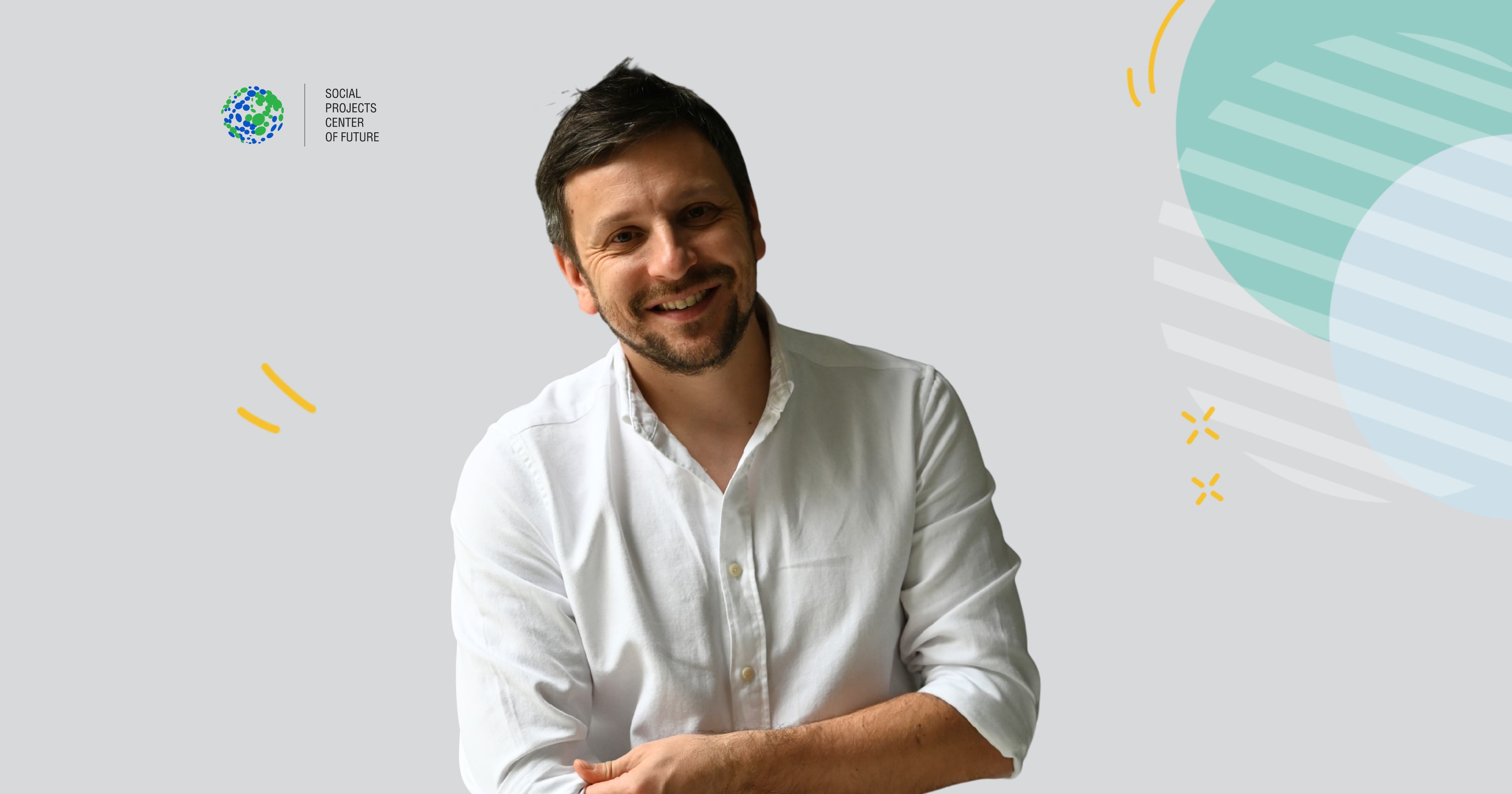
The impact of medical projects can’t be measured solely by numbers or reports. We often share updates about delivered equipment, organized trainings, and various statistics — and that’s all important. But behind every figure, there are people.
There are medical teams devoted to their work, constantly learning and improving. And there are patients who, despite pain and exhaustion, take small steps toward recovery every single day. Their determination and hope inspire us just as much as any project result.
That’s why field visits — our working trips to partner healthcare facilities — are an essential part of what we do. They give us a chance to see how support works in practice: how the equipment is being used, how training influences teams, what successes have already been achieved, and what new needs emerge along the way.
 *Yevhen with the team of specialists from the Uzhhorod Center of Neurosurgery and Neurology
It’s always especially rewarding to visit hospitals we’ve been working with for a long time. Familiar faces welcome us with smiles, share what’s changed, show new equipment, or tell stories of patients who have made progress. These are the moments that remind us that behind every project, there are real people — their dedication, energy, and daily commitment to making rehabilitation better.
Field visits are not a formality. They’re a way to stay connected, to build trust, and to understand the real context of our shared work. When you see people doing their jobs with passion, and when collective efforts lead to real change, it’s the best reminder that what we do truly matters.
Visiting our partner hospitals
Our team is small, and there’s always a lot to do — but we recognize the value of these visits. That’s why we always try to make time for them, and honestly, we really enjoy it. It’s not just part of the job; it’s a way to stay close to the people who share the same goal.
Most field visits are carried out by our project managers, Valeria and me, Vladyslava. For us, it’s not only about monitoring or reporting — it’s about understanding the bigger picture. These trips help us see real results, assess needs, and plan next steps. They’re also crucial when it comes to developing new initiatives or engaging donors, because we can speak from personal experience — with real stories and examples we’ve seen ourselves. That makes our work more persuasive and our decisions more thoughtful.
There’s also a very human side to it. Meeting people in person, seeing the work firsthand, asking questions, and talking not just to administrators but to the teams, the specialists, and the patients — all this builds trust and makes our partnerships deeper and stronger.
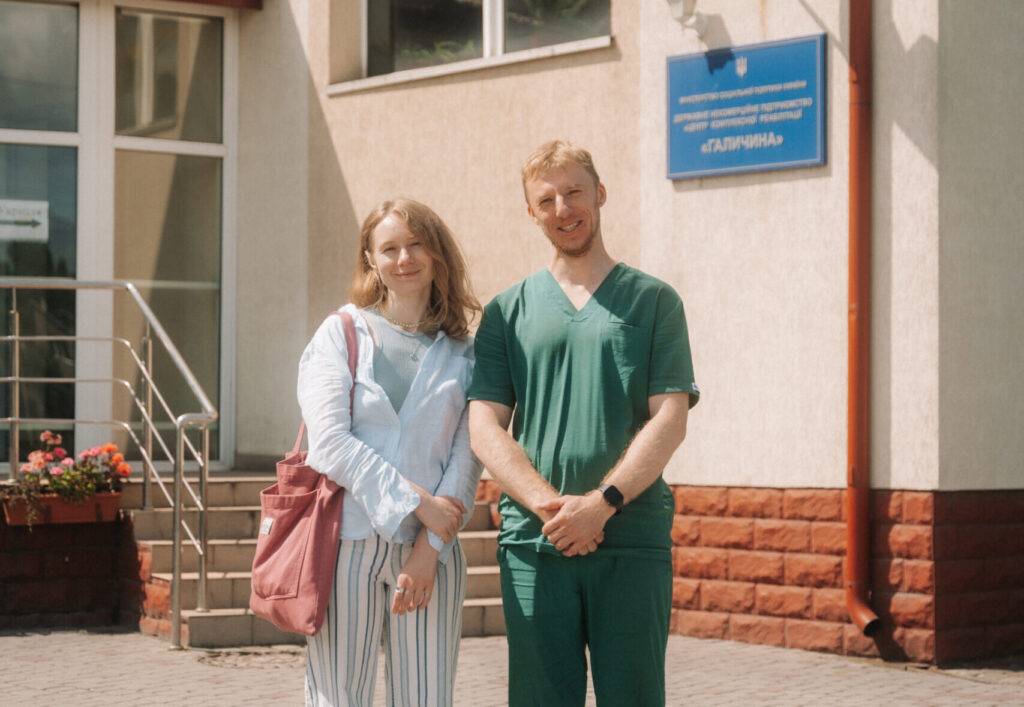 *Valeriia with Dmytro, who heads the Physical Rehabilitation Department at the “Halychyna” Center
“My first field visit to a hospital took place in 2019. It was the Kyiv City Oncology Center, the children’s ward. I still remember the eyes of the children and their mothers who attended the Christmas event organized by our foundation. That visit became a turning point in my work as a project manager in a charitable organization — because only by stepping into someone else’s world can you truly begin to understand it from within.
The second such turning point came in 2023, during a visit to a hospital. The rehabilitation equipment we delivered felt even more significant this time. Yet at the same time, it also felt so small — because no amount of help can bring back someone’s lost limbs. But right after that thought comes another: the past has already happened, and ahead lies life. I am here to support people in their fight for a better future.
Such visits strengthen not only the connection between our team, medical professionals, and patients but also deepen our confidence in what we do. Fundraising and talking to donors become much easier when the problem you’re describing isn’t just something on a laptop screen — it becomes part of your own lived experience. And that changes everything.” — shares Valeriia.
 *Vadym during a visit to the “Okhmatdyt” Children’s Hospital
Sometimes our leadership team — the Chair of the Board and the Chair of the Supervisory Board — also join these visits. For them, it’s a chance to see how projects work in real life, to hear directly from professionals about what’s effective and what could be improved. These meetings help shape strategic decisions based on lived experience, not just written reports.
A look from the field: a recent visit
Recently, our project office assistant, Sofiia, joined me on a field visit to the Ivano-Frankivsk Regional Hospital — one of our long-term partners. It was her first visit of this kind, and a great opportunity to see how everything we plan and report on actually comes to life.
Ergotherapist Khrystyna kindly gave us a short tour, showing the equipment provided and explaining how it’s used in daily practice — which exercises patients enjoy most and which bring the best results. It was great to see that all the devices we’ve supplied over time have been fully integrated into the Centre’s work and are used actively. And it was heartwarming to hear how carefully the team treats the equipment — using it responsibly, maintaining it well, and making sure it stays in perfect working order.
 *Vladyslava with Khrystyna, ergotherapist at the Ivano-Frankivsk Regional Hospital
After that, we joined a training session organized within our project “Rehabilitation: A New Life.” It was inspiring to watch the process — to see how engaged and motivated the participants were, how eagerly they discussed real-life cases, shared experiences, and asked questions. The atmosphere was professional yet warm and open — you could really feel their desire to learn and grow. At the end, seeing their smiles as they received certificates and shared positive feedback was incredibly rewarding.
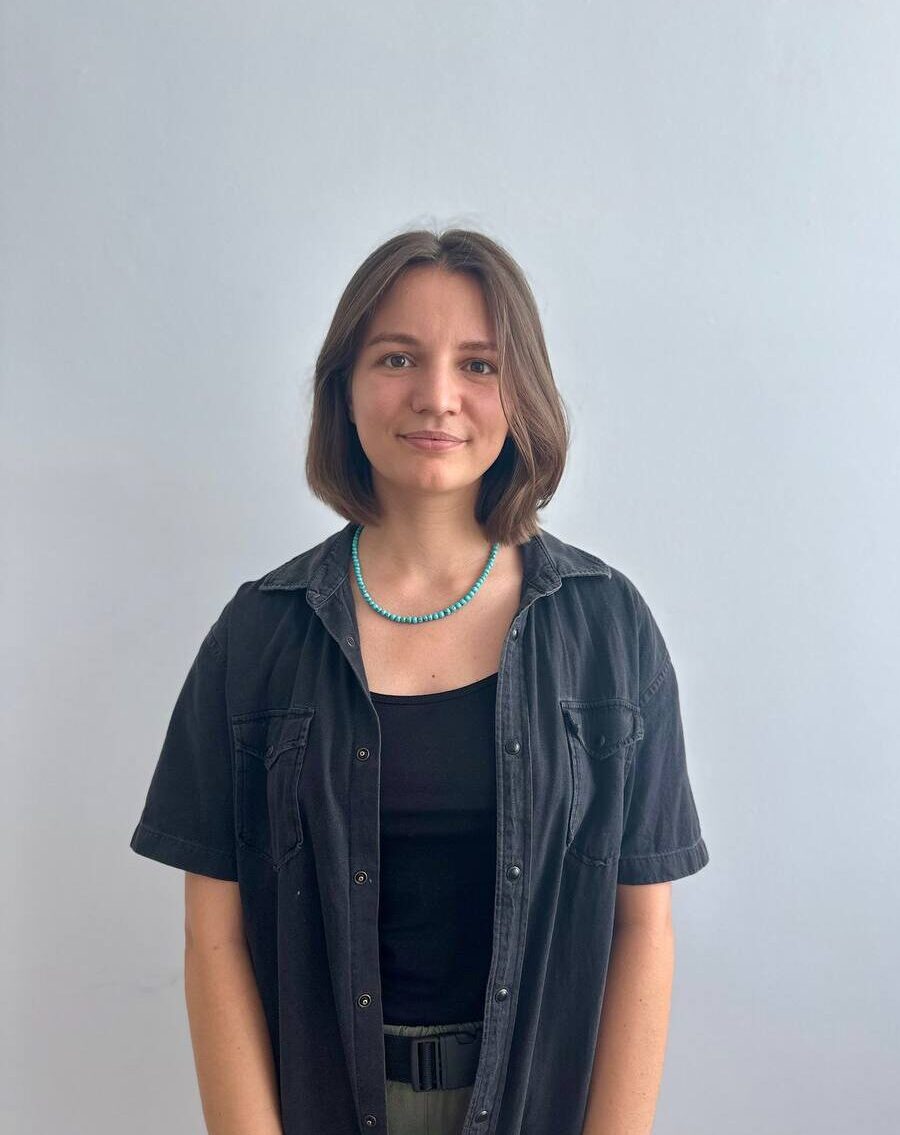
For me, humanity and emotions are an essential part of the work. That’s why this visit became an incredible experience — and a real motivation for future projects.
We also met with the head of the Centre for Physical and Rehabilitation Medicine, Kateryna Zahorodnia. She shared that the team is very happy with the new equipment — it’s become an important part of their daily work and has already shown great results. Kateryna also emphasized how essential continuous learning is for the staff, especially for young specialists who often join the Centre while still students. For them, it’s a valuable experience that builds confidence and helps them understand modern rehabilitation standards.
Together, we discussed the Centre’s current needs, plans, and possible areas for further cooperation. Meetings like this help us not only maintain partnerships, but develop them strategically — focusing on sustainability and team growth.
Why field visits matter
Field visits allow us to see the full picture of our work. They’re not just about monitoring — though that’s an important part too — but about dialogue, shared understanding, and finding solutions together. These visits help us spot opportunities for improvement, and sometimes simply confirm that we’re moving in the right direction.
We especially value when our partners openly share their experiences and challenges — because that’s where truly effective solutions are born.
Field visits are about presence and understanding. About seeing change not on paper, but in action. They’re a vital part of our work — one that genuinely helps us stay effective, grounded, and connected.