HOW TO IDENTIFY “HIDDEN” BARRIERS IN REHABILITATION: TRAINING FOR HEALTHCARE PROFESSIONALS AT THE UZHHOROD HOSPITAL
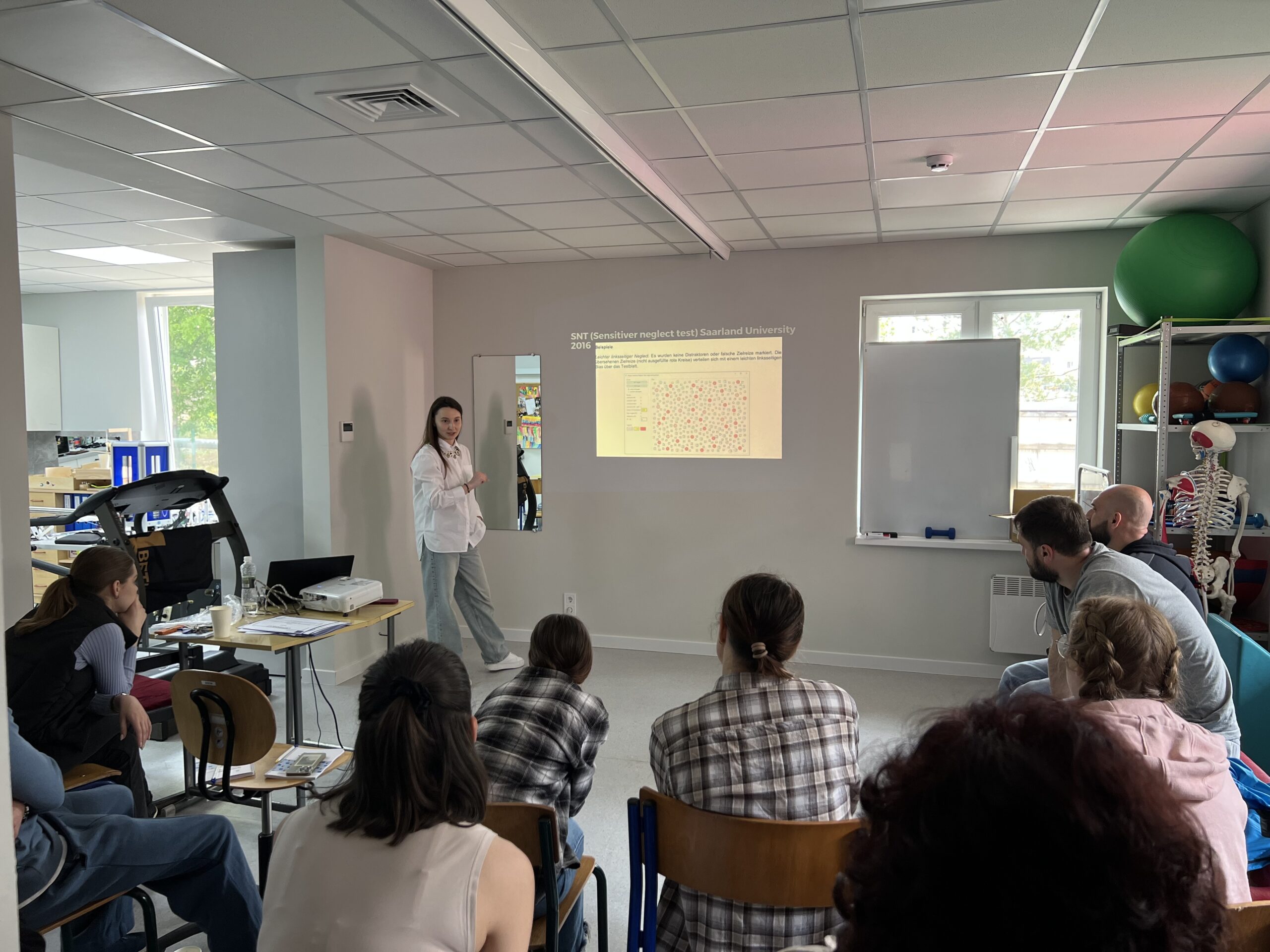
Modern recovery of patients after strokes and trauma demands targeted, precise knowledge of brain function. This is exactly why, as part of our “Rehabilitation: New Life” project, our foundation organized a specialized training session for the multidisciplinary team of the Uzhhorod Multidisciplinary Hospital.
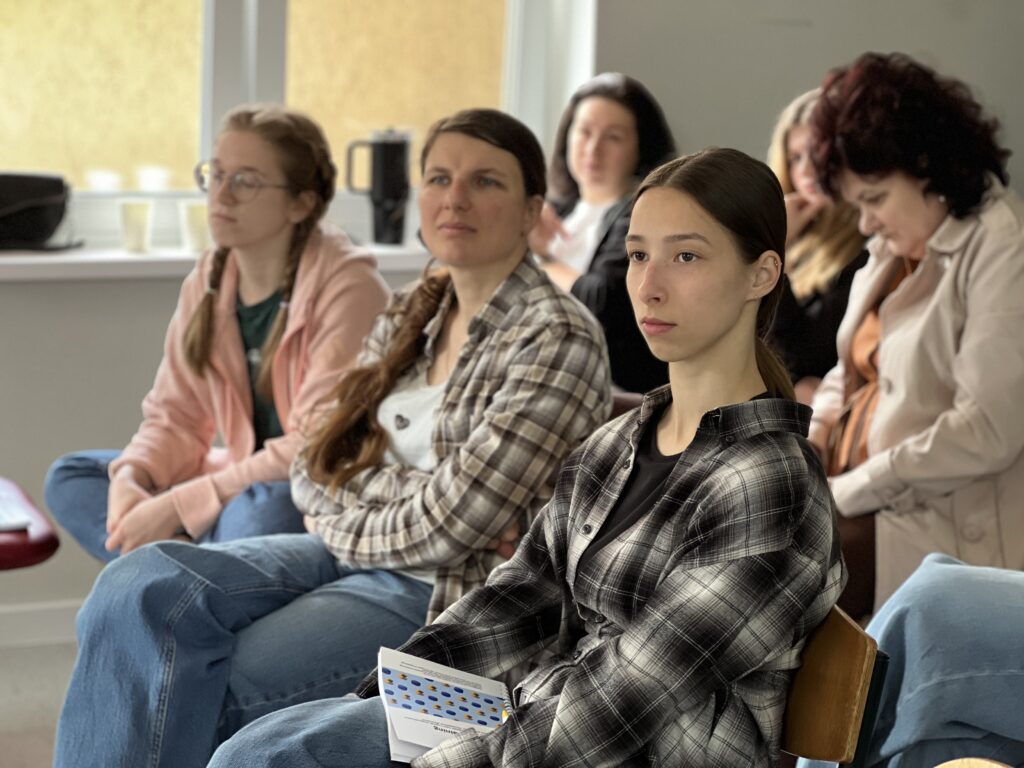
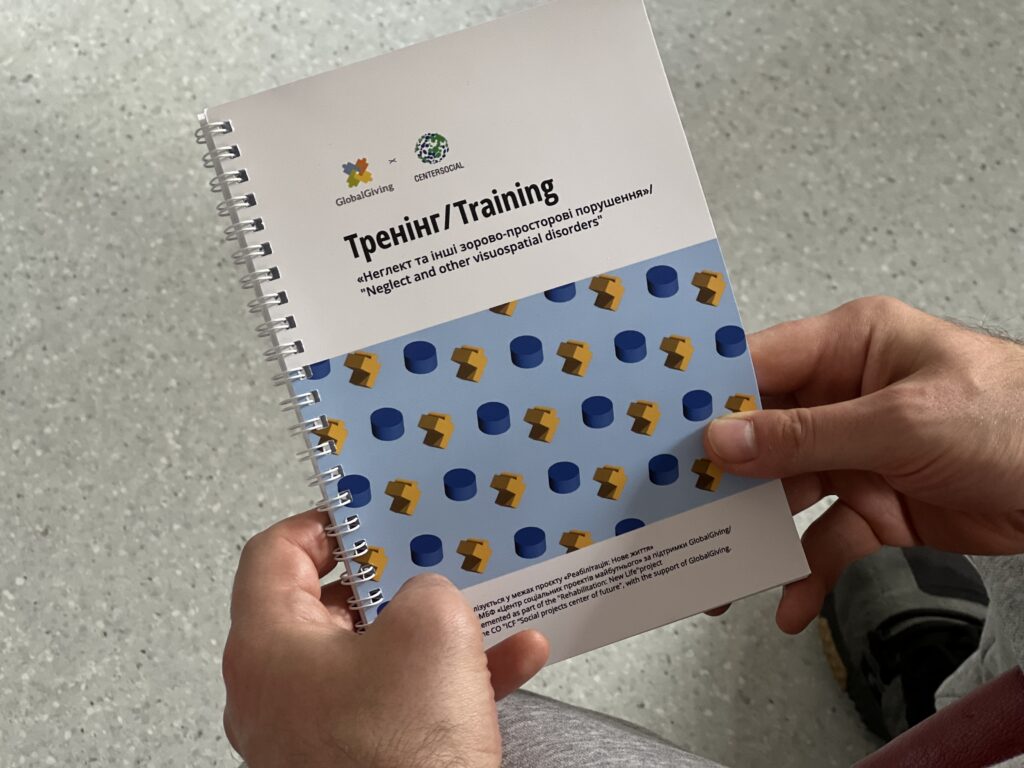
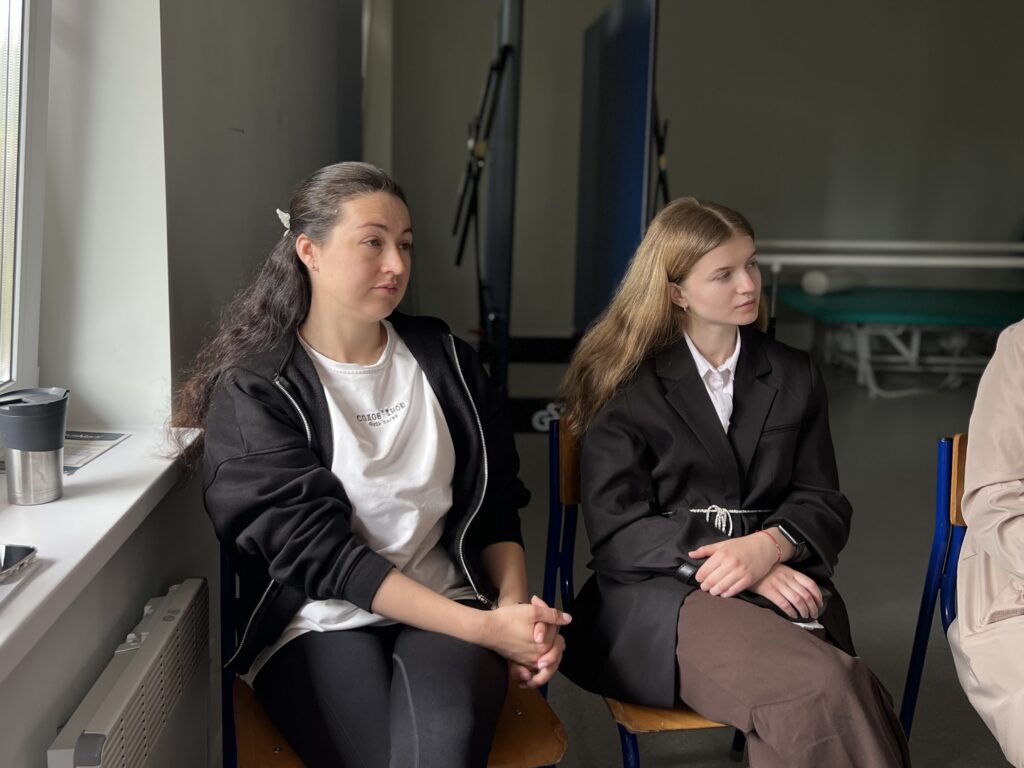
The training brought together 16 healthcare professionals from the facility. The main focus of the session was on the topic: “Neglect and Visual-Spatial Impairments in Clinical Practice: Assessment, Diagnosis, and Rehabilitation Approaches.”
The Insidiousness of Spatial Neglect Syndrome
During the recovery process, specialists often encounter an invisible obstacle: a patient may be physically capable of movement but fails to utilize their potential. The root cause of this is neglect—a condition where the damaged brain completely erases one side from its map of reality. A person with this syndrome might not notice objects on one side, may put on only one sleeve, or leave half of their food portion untouched on the plate. Since the sensory organs and eyes remain undamaged, the problem is difficult to detect without specialized knowledge. If left unaddressed, helping the patient regain basic everyday independence or the ability to walk confidently becomes exceptionally difficult.
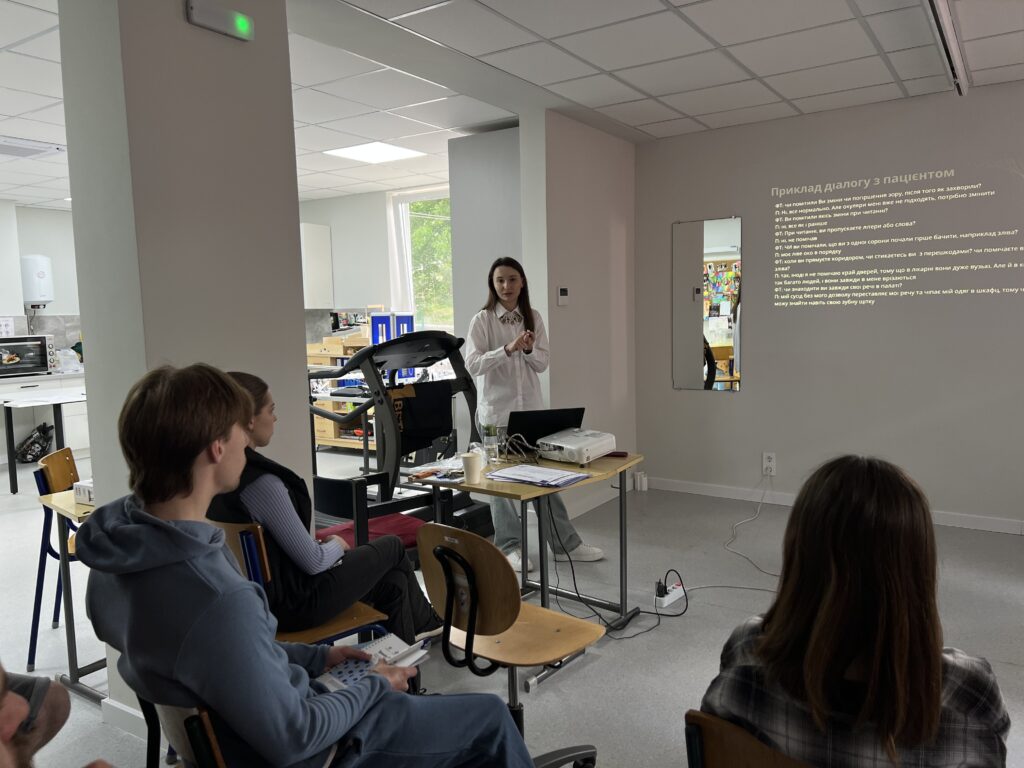
Effective Tools for the Medical Team
The training and clinical case reviews were conducted by Anfisa Uryvkova, a neglect therapist, physical therapist, and lecturer at the Department of Physical Therapy and Ergotherapy at NUUPES. Thanks to the training, the hospital’s medical team mastered clear testing algorithms to detect these impairments at early stages, as well as techniques that help reintegrate the “ignored” side of the body and space into the patient’s daily life.
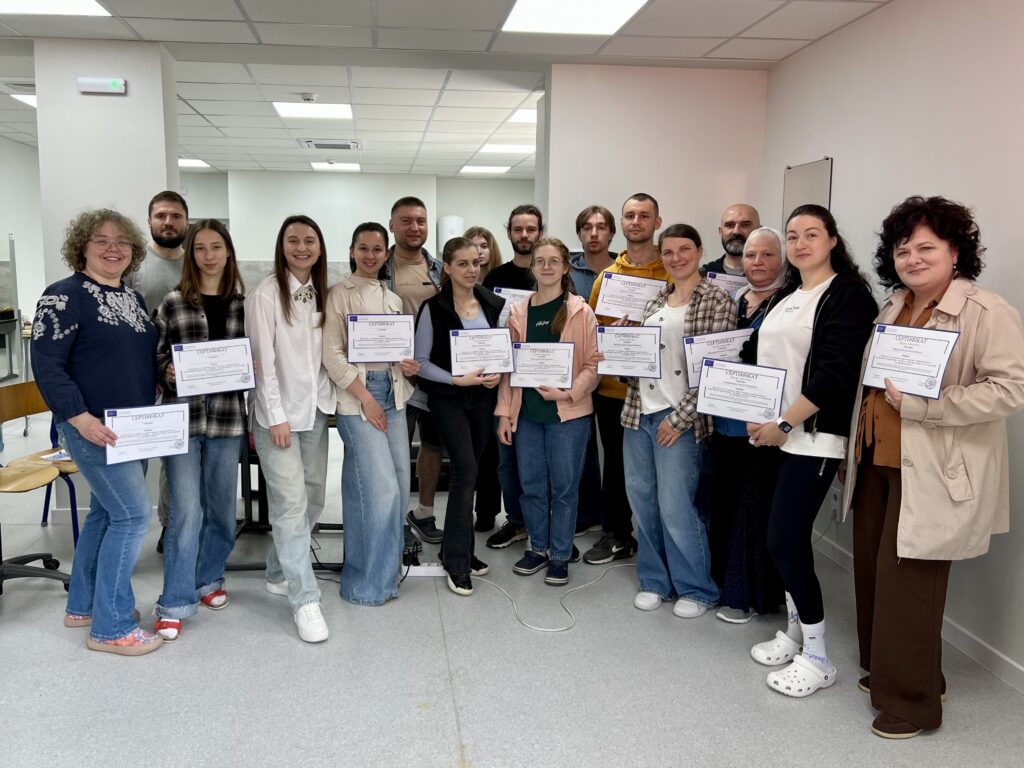
We deeply appreciate the commitment of Ukrainian medical professionals to grow and learn progressive global approaches despite their overwhelming daily workload. Continuous skill improvement is the only way to ensure patients receive truly high-quality care. Our foundation is proud of the opportunity to systematically support healthcare facilities on this journey.
The initiative was implemented with the support of our partner, GlobalGiving.