SUCCESSFUL COMPLETION OF A PROJECT TO IMPROVE REHABILITATION SERVICES IN ZAKARPATTIA REGION

The need for high-quality rehabilitation services in Ukraine continues to grow. After injuries, surgeries, blast-related trauma, and complex health conditions, people require systematic, modern, and safe care.
To make such care more accessible and effective, we implemented the project “Improving Rehabilitation Services for Patients with Musculoskeletal Disorders in Zakarpattia Region.” The project was carried out with the support of UNDP in Ukraine within the framework of the project “Support to Inclusive Recovery for the Resilience and Security of People in Ukraine,” funded by the Government of Japan.
This project is already demonstrating tangible results for both healthcare professionals and patients.
What We Achieved
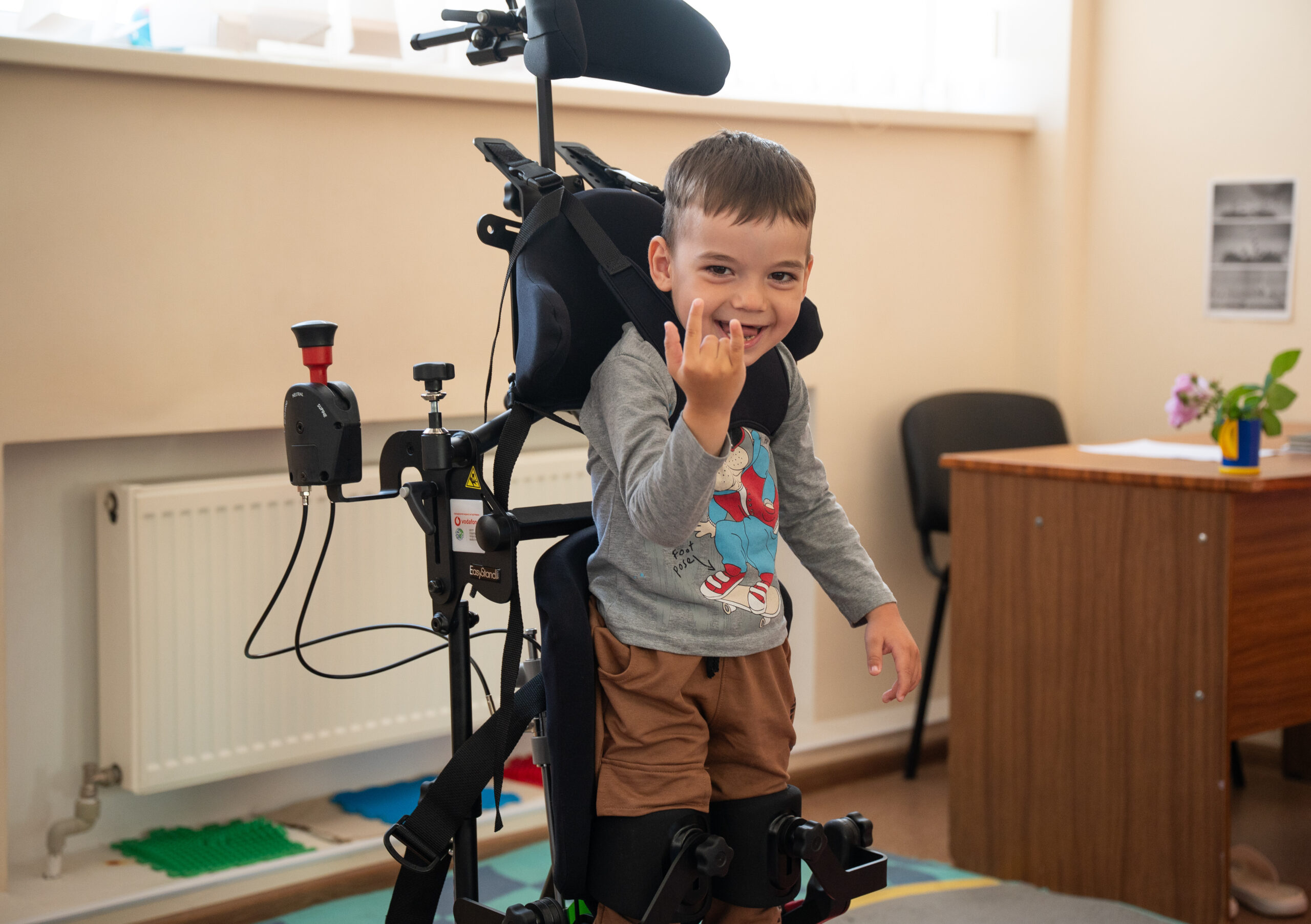
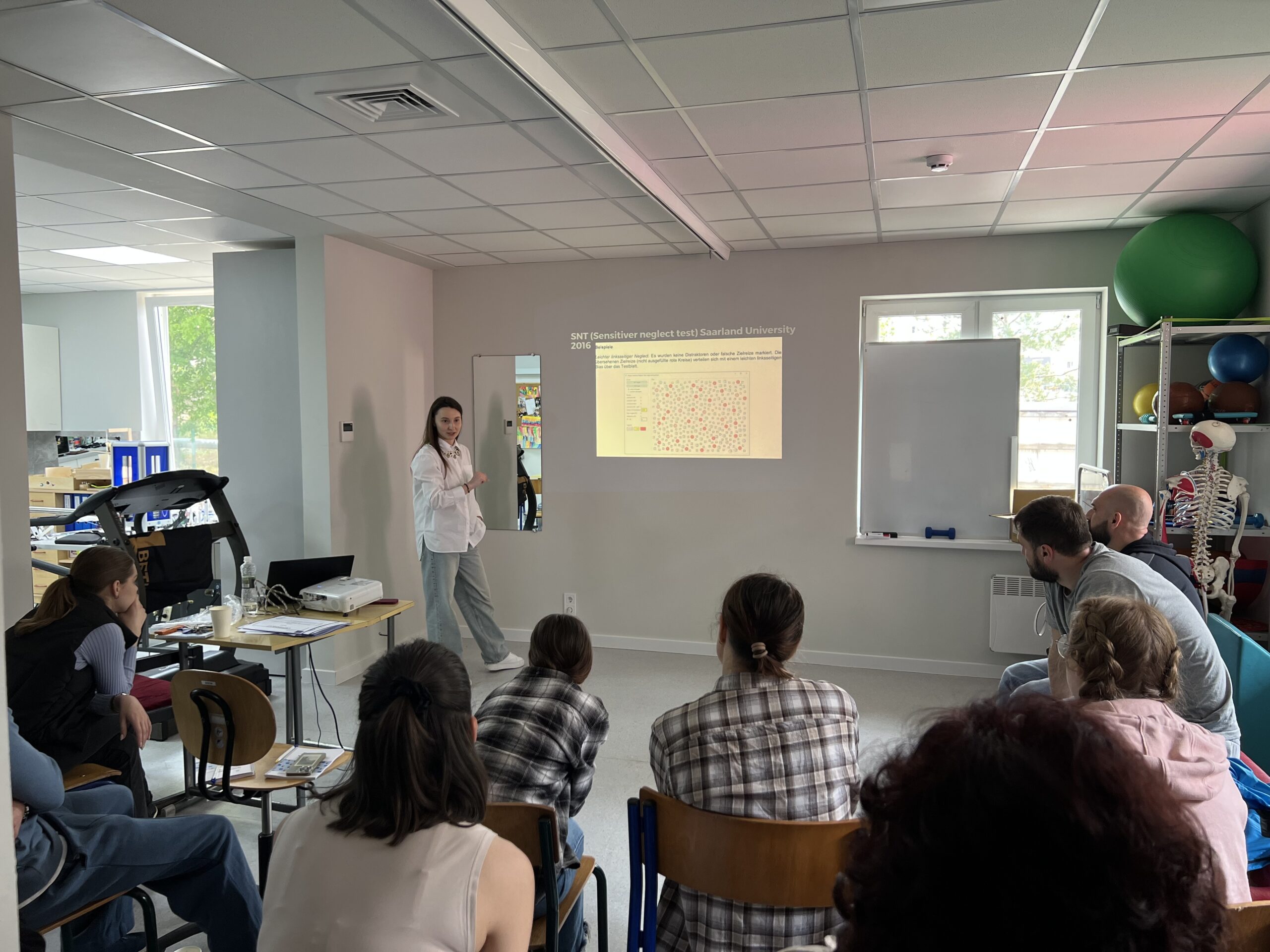
As part of the project, the rehabilitation department of Uzhhorod City Multidisciplinary Clinical Hospital received two modern devices for upper and lower limb rehabilitation. In addition, the entire multidisciplinary team of more than 20 specialists completed comprehensive training in physical therapy.

“As our experience shows, a comprehensive approach—combining equipment and training—leads to significantly better results. Modern devices enhance the capabilities of specialists, while new knowledge helps them use this equipment to its full potential. This combination ensures not just short-term improvements but sustainable changes in the quality of care. It is very valuable that donors support such systemic approaches,” explains Project Manager Vladyslava Andrushchenko.
Today, the department provides rehabilitation services to an average of 110 patients per month, who are already experiencing improved conditions and approaches to care.
What the Staff Survey Showed
After the equipment was installed and the training completed, we surveyed the rehabilitation team. Fourteen staff members participated.
All respondents confirmed that the new equipment helps them work more effectively with patients. It is convenient to use, integrates well into daily workflows, and makes therapy sessions safer and more controlled.
92.9% of specialists noted that patients achieve noticeable progress faster, respond positively to sessions using the new equipment, and are more actively engaged in their recovery process.
Thirteen out of fourteen specialists confirmed that the combination of training and new equipment improved the quality of their professional practice.
Changes Experienced by the Team
Specialists report increased confidence, improved clinical thinking, and more structured workflows. New methods and modern techniques for movement recovery have been introduced, along with more visible rehabilitation outcomes.
“Our work has become more confident and more effective,” specialists summarize.
This demonstrates that changes have occurred not only at the level of equipment, but also in professional approaches—an outcome we consider the most valuable result of the project.
Why a Multidisciplinary Approach Matters
As part of the project, we also prepared an interview with Kateryna Zinovieva, a physician in physical and rehabilitation medicine and Head of the Rehabilitation Department. We discussed why multidisciplinary collaboration leads to the best rehabilitation outcomes, how the team works, and why continuous professional training is essential.
A multidisciplinary approach means that a patient’s recovery is supported not by a single specialist, but by a coordinated team. Together, they develop a rehabilitation plan, align goals, and work as a unified system. This collaboration ensures that all of a person’s needs are considered and leads to better outcomes.
Full interview available here: https://centersocial.org/blog_article/chomu-multydysczyplinarnyj-pidhid-daye-najkrashhi-rezultaty-v-reabilitacziyi-pacziyentiv/
Accessibility of Information Matters Too
Within the project, we also worked with hospital representatives to develop informational brochures for current and potential patients. These materials include details about available services, conditions for receiving care, and the referral process.
The brochures are freely available at the hospital for anyone who may need them—for themselves, their family members, or others.
We believe it is essential that information about rehabilitation services is accessible. People should understand how to receive care, trust the process, and know what to expect.
Transparency and Trust
Information about the project has also been published in national and local media. We believe that highlighting such initiatives is important, as it strengthens trust in the recovery process and raises awareness of the importance of quality rehabilitation services.
________________________________________________________________________________________________
We sincerely thank UNDP in Ukraine and the Government of Japan for supporting this project. Through our joint efforts, we have strengthened the hospital’s capacity and improved the quality of rehabilitation services for hundreds of people each month who are on their path to recovery and a return to active life.